
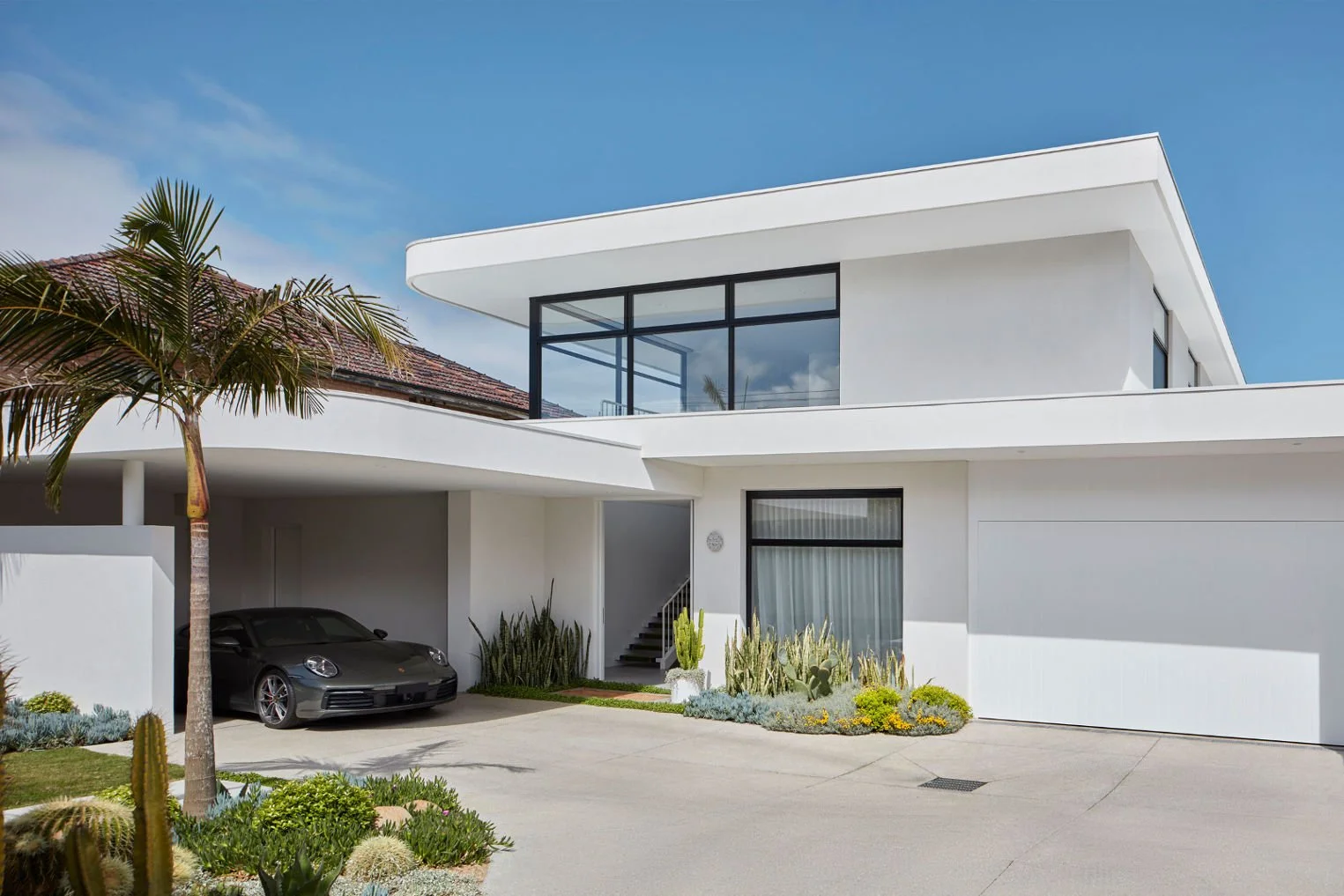
If you are planning to build a new home, undertake major renovations, or install a large swimming pool in New South Wales, one of the first hurdles you will face is BASIX compliance. BASIX, short for the Building Sustainability Index, is a NSW Government initiative designed to make residential developments more energy and water-efficient. It is not an optional step in the approval process. Without a valid BASIX certificate, your Development Application (DA) will not be accepted by the council.
Despite its importance, many homeowners and even first-time developers only hear about BASIX when they begin the DA process. This often leads to confusion, unnecessary delays, and additional costs. By understanding what a BASIX certificate is, who needs one, and how the process works, you can approach your project with confidence. In this guide, we will break down everything you need to know about BASIX certificates in NSW, and why engaging with the requirements early is the smartest step you can take.
Key Takeaways
- A BASIX certificate is a mandatory requirement for most residential projects in New South Wales.
- It assesses sustainability performance across three key areas: water use, energy efficiency, and thermal comfort.
- Homeowners, builders, architects, and developers all need to comply with BASIX when lodging a DA.
- Certificates are required for new dwellings, major renovations, multi-unit developments, and pools over 40,000 litres.
- No BASIX certificate = no DA approval. Councils will reject non-compliant applications.
- Starting the process early can reduce delays, prevent costly redesigns, and make council approval smoother.
- Working with an experienced BASIX consultant helps ensure compliance and accurate assessments.
Summary Table
| Feature | Details |
| What it is | A sustainability certificate required for residential developments in NSW, issued under the BASIX (Building Sustainability Index) scheme. |
| Who needs it | Homeowners building new homes, architects preparing plans, builders seeking approvals, and developers of multi-unit projects. |
| When required | At the Development Application (DA) stage for new dwellings, renovations, and pools/spas over 40,000L. Sometimes required again at the Construction Certificate (CC) stage. |
| Assessed areas | Water efficiency, energy consumption, and thermal comfort (insulation, orientation, heating/cooling performance). |
| Importance | Without BASIX compliance, your DA cannot proceed. Meeting the requirements also ensures long-term energy and water savings. |
Understanding BASIX – The NSW Sustainability Measure
BASIX, which stands for the Building Sustainability Index, is a planning measure introduced by the NSW Government to improve the long-term environmental performance of residential buildings. It was first implemented in 2004 and has since become one of the most significant sustainability initiatives in Australia. The aim is simple: to reduce greenhouse gas emissions, lower water consumption, and improve the comfort of homes across the state.
Unlike optional energy ratings or voluntary green standards, BASIX is mandatory. If you are lodging a Development Application (DA) for a new home or making certain changes to an existing property, you must show that the proposed development meets BASIX requirements. The certificate you receive is proof of compliance and forms a key part of your DA submission to council.
BASIX assessments focus on three critical areas:
- Water – ensuring developments reduce potable water use through features such as rainwater tanks, efficient fixtures, and landscaping choices.
- Energy – encouraging the use of energy-efficient systems, solar power, insulation, and smart building orientation.
- Thermal comfort – improving liveability by reducing reliance on mechanical heating and cooling, achieved through design strategies such as insulation, glazing, and shading.
By setting clear, measurable targets, BASIX ensures that every new dwelling in NSW contributes to the state’s sustainability goals. For homeowners and developers, this means designing with efficiency in mind from the very beginning. While some see BASIX as an administrative hurdle, in practice it often leads to smarter, more comfortable homes that are cheaper to run over the long term.
Who Needs a BASIX Certificate?
One of the most common questions from homeowners and builders is whether their project actually requires a BASIX certificate. The rule of thumb is simple: if you are undertaking residential building work in NSW, there is a high chance you will need one.
The following groups must obtain a BASIX certificate:
- Homeowners building a new home
Any standalone dwelling requires BASIX compliance, regardless of size or location within NSW. - Developers of multi-unit projects
Apartments, townhouses, and dual occupancies all need BASIX certificates for each unit. Large projects may require a set of certificates covering the full development. - Renovators and extensions
If your renovation costs exceed $50,000 or if you are adding significant floor area (such as an extra bedroom or living space), you will need a BASIX certificate. Even “smaller” upgrades may trigger requirements if they affect thermal comfort or energy use. - Pool and spa owners
BASIX applies to swimming pools and spas with a capacity of 40,000 litres or more. The aim is to ensure large recreational water features are managed sustainably.
While these categories cover most situations, there are some exemptions for very minor works or developments outside residential use. However, it’s best not to assume your project is exempt. Councils are strict about BASIX compliance, and submitting a DA without the right certificate almost always leads to rejection.
For architects, builders, and designers, confirming BASIX obligations early in the design stage saves clients unnecessary stress. For homeowners, it ensures your dream project moves forward without last-minute surprises. In short: if in doubt, check — because failing to include a BASIX certificate when required will stall your approval process.
When is a BASIX Certificate Required?
Timing is just as important as eligibility when it comes to BASIX. A certificate is not something you can arrange at the very end of a project — it must be secured before you can move ahead with key approval stages.
In most cases, a BASIX certificate is required at the Development Application (DA) stage. This means when you submit plans to your local council for approval, the certificate must be included in your documentation. Councils will not accept a DA without proof of BASIX compliance.
In addition to the DA stage, BASIX may also be requested at the Construction Certificate (CC) stage. The CC is typically issued once building plans are detailed and finalised. At this point, compliance checks ensure that what you plan to build matches what was promised in your BASIX commitments. If there are major changes to your design after the DA, a new BASIX certificate may need to be lodged to reflect the updated plans.
Some specific scenarios include:
- New dwellings: Certificate required at both DA and CC stages.
- Multi-unit developments: Certificates must be lodged for all units in the project.
- Renovations and extensions: Certificate required at DA stage if costs exceed $50,000.
- Pools/spas over 40,000 litres: Certificate required at DA stage.
For smooth progress, it is best practice to start BASIX considerations as soon as design work begins. That way, water, energy, and thermal performance measures can be incorporated from the outset rather than added as costly revisions later.
In short: BASIX is not an afterthought. It is an essential part of your development journey, and addressing it early avoids frustrating project delays.
How BASIX Impacts Your DA Approval
For anyone preparing a Development Application (DA) in New South Wales, BASIX is not a box you can tick later — it is an essential component that determines whether your application moves forward at all. Councils across NSW require a BASIX certificate as part of the DA submission, and without it, your application will be deemed incomplete and rejected.
This requirement often catches homeowners and first-time developers by surprise. You may have invested time and money into architectural drawings, engineering reports, and project planning, only to find the process stalls because BASIX was overlooked. The result is unnecessary delays, added costs, and in some cases, redesigns to meet sustainability benchmarks.
BASIX certificates also have a direct influence on how your project is assessed. They demonstrate to council that the proposed dwelling or renovation aligns with state sustainability policies, covering energy efficiency, water use, and thermal comfort. In practice, this means council officers can review your project with confidence, knowing it meets NSW Government standards.
Importantly, the commitments made in your BASIX certificate become legally binding conditions of consent. For example, if your certificate specifies the installation of a rainwater tank or a particular glazing type for thermal efficiency, those items must be included during construction. Inspectors and certifiers will check compliance at later stages, and failing to meet these obligations can cause serious delays in obtaining an occupation certificate.
In short, BASIX is more than just paperwork — it’s a compliance guarantee that councils rely on to approve your development. Engaging with the BASIX process early ensures your DA isn’t just accepted, but moves forward without avoidable setbacks.
How to Get a BASIX Certificate in NSW
Obtaining a BASIX certificate is a straightforward process in principle, but it requires accurate information and careful preparation to ensure compliance. Certificates are generated through the NSW Government’s online BASIX tool, which assesses your proposed development against sustainability targets for water, energy, and thermal comfort.
Here’s how the process typically works:
- Gather project details
Before starting the BASIX assessment, you will need key information such as floor plans, site orientation, proposed building materials, window sizes, and details about energy and water systems. The more accurate the data, the smoother the process will be. - Complete the BASIX assessment online
Using the government tool, data about your project is entered to calculate whether it meets the required benchmarks. If it falls short, design adjustments will be needed to achieve compliance. - Make sustainability commitments
The system produces a list of measures — such as rainwater tanks, efficient lighting, insulation upgrades, or specific glazing — that must be incorporated into the design. These commitments form part of the certificate. - Generate and lodge the certificate
Once all requirements are met, the official BASIX certificate is generated. This must be signed and included in your Development Application to council.
While it is possible to prepare a BASIX certificate yourself, working with a specialist makes the process faster and more reliable. At Basix Certificates, we prepare certificates for new dwellings, renovations, multi-unit developments, and pools. Our consultants handle the full assessment process, provide tailored advice, and ensure your certificate is council-ready.
Get your BASIX certificate today and keep your project moving without costly delays.
Final Thoughts
A BASIX certificate is more than just another piece of paperwork — it is a critical step in securing approval for residential projects across New South Wales. By ensuring your design meets sustainability benchmarks for water, energy, and thermal comfort, BASIX not only satisfies council requirements but also delivers long-term benefits for your home or development.
The key to a smooth experience is addressing BASIX early, before designs are finalised or applications lodged. That way, sustainability measures can be built into your project from the start rather than added at the last minute.
A Basix Certificates, our consultants make the process simple and stress-free. Whether you’re building a new home, renovating, or developing a multi-unit project, we’ll prepare your BASIX certificate quickly and accurately — so you can move forward with confidence.
FAQs Answered
1. What areas of sustainability does a BASIX certificate in NSW cover?
A BASIX certificate assesses three key areas of sustainability: water efficiency, energy efficiency, and thermal comfort. This means your project must demonstrate reduced reliance on mains water, lower greenhouse gas emissions, and comfortable year-round living conditions through design measures like insulation, glazing, and efficient heating or cooling.
2. How much does it typically cost to get a BASIX certificate for a new home or renovation in NSW?
The cost depends on the type and size of your project. BASIX fees start from around $50–$80 for small alterations and can increase to $1,000 or more for large multi-unit developments. In addition to the government fee, you may also pay a consultant’s service fee to prepare the certificate and ensure compliance. At basixcertificates.com.au, we provide clear, upfront pricing so you know exactly what to expect.
3. Who is qualified to prepare a BASIX certificate and lodge it with council?
BASIX certificates are generated through the NSW Government’s online BASIX tool. While technically anyone can access the tool, most homeowners and developers choose to engage a qualified BASIX consultant. Our team specialises in preparing accurate certificates that align with council requirements, helping you avoid delays or rejections.
4. How long does it usually take to receive BASIX approval once you apply?
Timeframes vary depending on the complexity of your project and the accuracy of the information provided. Simple certificates can often be prepared within 1–2 business days, while larger or more detailed developments may take longer. Engaging a consultant ensures the process is faster and smoother.
5. Can I apply for and obtain a BASIX certificate online in New South Wales?
Yes. All BASIX certificates are generated online through the NSW Government’s BASIX system. At basixcertificates.com.au, we manage the full online application on your behalf, saving you time and making sure your submission is council-ready.
6. Do BASIX certificates expire, and will I need a new one if my plans change?
A BASIX certificate is valid for three months from the date of issue. If your DA is not lodged with council within that time, a new certificate will be required. Likewise, if you make changes to your design that affect water, energy, or thermal performance, an updated certificate must be lodged to reflect the new plans.
7. What happens if my proposed development does not meet BASIX requirements?
If your design fails the BASIX assessment, it will not be approved by council. In this case, you’ll need to revise the design to include additional sustainability measures, such as improved insulation, larger rainwater tanks, or more efficient appliances. Our consultants can recommend the most cost-effective solutions to bring your project into compliance without overcomplicating the design.