
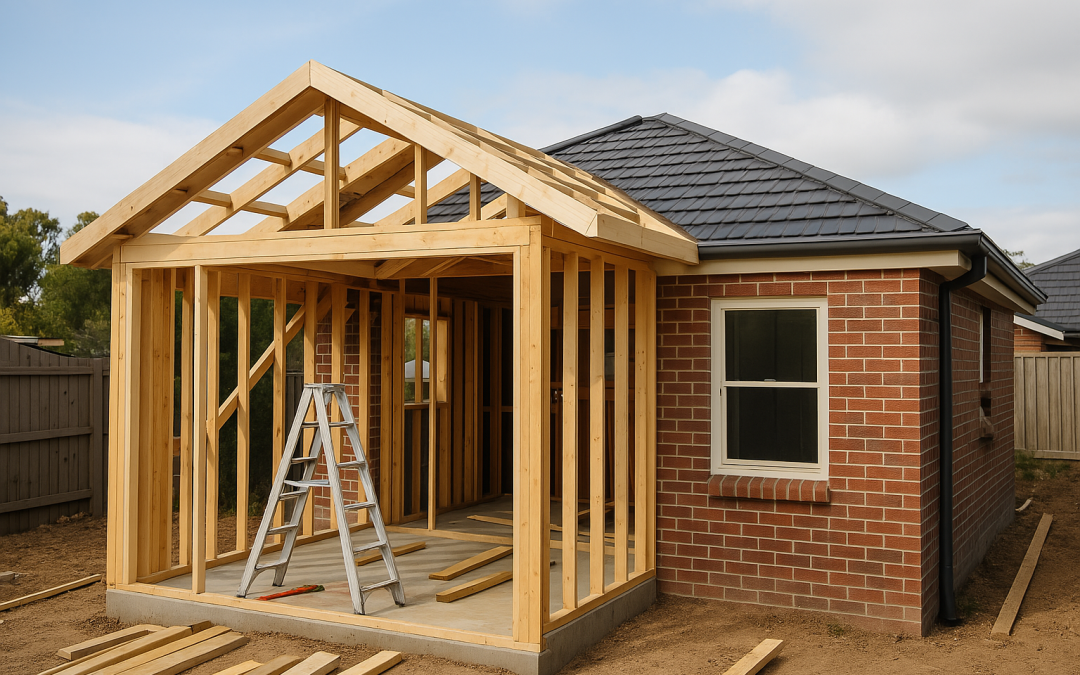
If you’re planning a renovation or home extension in New South Wales, you may need a BASIX certificate before you can lodge your Development Application. While BASIX is often associated with new dwellings, many renovation projects also trigger mandatory compliance — particularly when you’re adding floor area, upgrading major building components, or completing work valued over a certain threshold.
The purpose of BASIX is to ensure renovated homes continue to meet NSW sustainability standards for water efficiency, energy performance, and thermal comfort. The certificate shows council that your proposed changes won’t negatively impact the home’s environmental performance and that any new areas meet modern compliance benchmarks.
This guide explains when renovations require BASIX, what information you’ll need, and how the assessment process works. Whether you’re adding a bedroom, converting a garage, building a second storey, or upgrading key systems, here’s what homeowners must know before getting started.
Key Takeaways
- BASIX certificates are required for many renovations, extensions, and major alterations in NSW.
- Projects typically trigger BASIX when adding floor area, submitting a DA, or completing works above the value threshold.
- Renovations involving new conditioned spaces (bedrooms, living rooms, second storeys) almost always require BASIX.
- You’ll need finalised plans, window schedules, materials, and energy system details before starting the assessment.
- BASIX commitments apply only to the affected parts of the renovation — not necessarily the whole home.
- Working with BASIX Certificates ensures fast turnaround, accurate modelling, and council-ready documentation.
Summary Table
| Renovation Type | BASIX Required? | Notes |
| Major Extensions | Yes | Applies when adding new rooms or enlarging existing ones. |
| Alterations Over $50,000 | Yes | Value threshold triggers BASIX requirements. |
| Second-Storey Additions | Yes | New conditioned floor area always assessed. |
| Pool Additions | Yes (if over 40,000L) | Must be included in BASIX modelling. |
| Internal Layout Changes Only | Not usually | Depends on DA; may not require BASIX. |
| Minor Cosmetic Works | No | Painting, cabinetry, flooring, and similar works are exempt. |
When Renovations and Extensions Require a BASIX Certificate in NSW
Not all renovations require a BASIX certificate, but many do — especially when the work involves creating new floor area or upgrading major parts of the building. In NSW, BASIX is generally required when your renovation or extension forms part of a Development Application, or when the project meets the state’s value threshold, which is often triggered for substantial additions.
Common renovation scenarios that require a BASIX certificate include adding new bedrooms, extending living areas, constructing a second storey, converting a garage into habitable space, or enclosing existing outdoor areas. Any extension that creates new conditioned space — meaning areas with heating, cooling, or insulation — almost always needs BASIX approval.
On the other hand, purely cosmetic upgrades like repainting, replacing wardrobes, or updating kitchen joinery usually do not require BASIX, as they don’t alter the building envelope or affect thermal performance.
If you’re unsure whether your renovation triggers BASIX, the team at BASIX Certificates can quickly review your plans and confirm what’s required before you lodge your DA.
What You Need to Prepare Before Starting a BASIX Assessment
Before a BASIX assessment for renovations can begin, your plans and project details must be complete and accurate. BASIX modelling relies heavily on exact measurements and specifications, so having the right documents ready will speed up the assessment and help avoid costly rework.
For most renovation or extension projects, you’ll need:
- Finalised floor plans and elevations showing all new and existing areas
- A site plan with the correct orientation
- Window and glazing schedules for any new or modified openings
- Details of roof, wall, and floor construction
- Insulation specifications for the renovated areas
- Proposed heating, cooling, and hot water systems
- Rainwater tank or water system details (if applicable)
Even small inconsistencies — such as mismatched window sizes or missing insulation notes — can delay your BASIX certificate. That’s why finalising your plans before starting the assessment is essential.
If you’re not sure whether your documents are ready, BASIX Certificates can review everything upfront and ensure the information is suitable for a fast and accurate assessment.
BASIX Requirements for Extensions, Additions, and Major Alterations
When renovating or extending a home in NSW, BASIX requirements apply only to the affected parts of the building — not always the entire dwelling. For most renovation projects, the assessment focuses on new conditioned spaces such as bedrooms, living rooms, studies, and second-storey additions. Areas that introduce new heating, cooling, insulation, or glazing must meet BASIX performance standards.
For extensions, BASIX looks at the thermal shell of the new area, including roof and wall insulation, glazing performance, building materials, and shading. Energy systems such as hot water units, heating, cooling, and lighting may also be included, depending on the scope of the upgrade.
If your renovation includes adding a pool, spa, or large water-using feature, these elements must also be included in the BASIX assessment and meet NSW’s water efficiency targets.
While smaller internal modifications may not trigger BASIX, any major addition that increases your home’s footprint or changes how a space performs will typically require modelling. BASIX Certificates help ensure your extension meets these standards without over-engineering or unnecessarily increasing costs.
How BASIX Fits Into Your Development Application for Renovations
If your renovation or extension requires a Development Application (DA), your BASIX certificate must be completed before you can lodge your plans with the council. Councils use the BASIX certificate to verify that your proposed works meet NSW sustainability requirements and that the new areas of your home have been designed to perform efficiently in terms of water, energy, and thermal comfort.
Your BASIX certificate must also match your architectural plans exactly. If the builder, homeowner, or designer makes changes to the renovation plan after the certificate is issued, a BASIX reissue will be required to keep the documents aligned. This is one of the most common reasons renovation DAs are delayed.
The commitments listed in your BASIX certificate — such as insulation levels, glazing performance, or rainwater tank sizing — must then be followed during construction. Councils may check compliance during the building process or at the Occupation Certificate stage.
To avoid setbacks, BASIX Certificates ensures your renovation certificate is accurate, compliant, and fully aligned with the plans you’re submitting to council.
Assessments: Why Work With BASIX Certificates for Renovation
Renovation projects often involve a mix of new and existing building elements, which can make BASIX compliance more complex than people expect. Working with a specialist BASIX consultant ensures your assessment is accurate, efficient, and fully aligned with council requirements the first time.
At BASIX Certificates, we handle everything from reviewing your renovation plans to modelling performance outcomes and preparing a certificate that’s ready for submission. We understand the specific BASIX rules that apply to extensions, additions, garage conversions, second-storey upgrades, and major alterations — and we help homeowners avoid the common pitfalls that lead to delays or rework.
Most renovation BASIX certificates are completed within 1–3 business days, and urgent cases can often be prioritised when plans are finalised. Our consultants also provide practical advice on how to meet BASIX targets without over-complicating the project or adding unnecessary costs.
With our guidance, your renovation moves smoothly into the DA stage, giving you confidence that your plans meet NSW sustainability requirements and are ready for council approval.
Final Thoughts
Understanding when renovations require a BASIX certificate can save homeowners time, money, and unnecessary delays during the approval process. Any extension, addition, or major upgrade that creates new conditioned space or forms part of a Development Application will usually trigger BASIX — and having clear, accurate plans is the key to smooth compliance.
With the right preparation and professional guidance, the BASIX process is simple and fast. At BASIX Certificates, we help homeowners and designers complete renovation assessments quickly and correctly, ensuring every certificate is council-ready and aligned with the latest plans. Whether you’re adding space, upgrading your home, or planning a major extension, our team ensures your renovation meets NSW sustainability requirements with confidence and ease.
FAQs Answered:
1. Who is the best BASIX certificate supplier for NSW renovations?
For NSW renovation projects, BASIX Certificates is one of the most reliable and efficient providers. Our team specialises in BASIX assessments for extensions, additions, garage conversions, and major alterations, delivering fast turnaround times and highly accurate modelling. Most renovation certificates are completed within 1–3 business days, and we confirm all documentation before starting to avoid delays. If you want a smooth DA process and a certificate that meets council requirements the first time, BASIX Certificates is the trusted choice.
2. When do renovations and home extensions in NSW require a BASIX certificate?
Renovations require a BASIX certificate when the project includes new conditioned space (like bedrooms, living areas, or second-storey additions), when the works form part of a Development Application, or when they exceed the NSW value threshold. Common examples include major extensions, garage conversions, and enlarging existing rooms. Smaller cosmetic upgrades usually don’t require BASIX. If you’re unsure, BASIX Certificates can review your renovation plans and confirm whether compliance is required before you lodge your DA.
3. What documents do I need to get a BASIX certificate for a renovation?
To complete a BASIX assessment for a renovation, you’ll need finalised architectural plans, elevations, a site plan with orientation, window and glazing schedules, insulation specifications, construction materials, and details of any proposed heating, cooling, hot water, or water-saving systems. Because renovations involve both existing and new areas, accuracy is essential. BASIX Certificates can review your plans before assessment to make sure all details are complete and ready for modelling.
4. How long does it take to get a BASIX certificate for a renovation or extension?
Most renovation BASIX certificates prepared by BASIX Certificates are completed within 1–3 business days, depending on the complexity of the project and the accuracy of the plans provided. When documentation is finalised, turnaround can be even faster. Larger or more technical renovations may require additional modelling time, but our team always works to minimise delays and prioritise urgent cases where possible.
5. Do small renovations or internal upgrades need a BASIX certificate in NSW?
Small renovations that do not change the building envelope — such as repainting, flooring, cabinetry, or internal layout changes — typically do not require a BASIX certificate. BASIX is generally triggered when the renovation adds floor area, modifies the home’s thermal shell, or forms part of a Development Application. If you’re unsure whether your project qualifies, BASIX Certificates can assess your plans and advise you before you proceed with your DA.
6. How can BASIX Certificates help me meet BASIX requirements for my renovation?
BASIX Certificates provides a complete service for renovation and extension assessments in NSW. We review your plans, identify any areas that may affect compliance, model the renovation using the BASIX tool, and prepare a certificate that aligns with your DA requirements. Our team advises on practical, cost-effective ways to achieve BASIX targets without over-engineering the design. With quick turnaround times and accurate assessments, we make BASIX compliance simple for renovation projects of all sizes.