
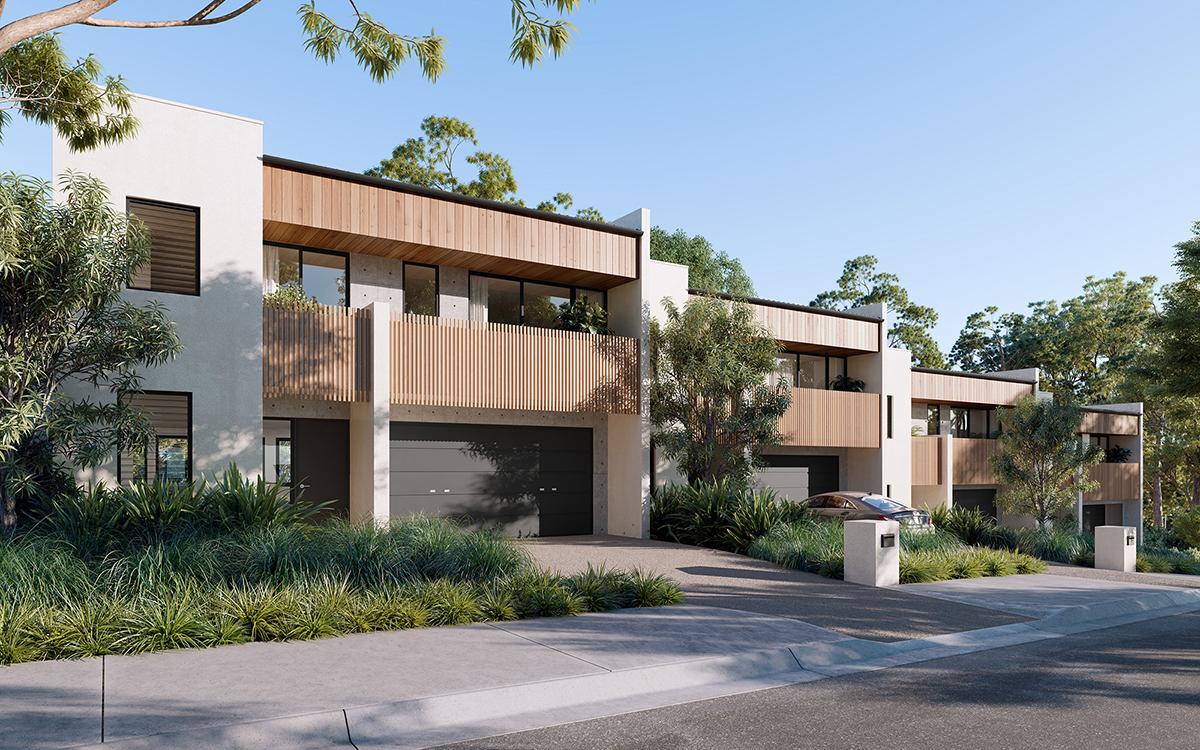
BASIX compliance becomes significantly more complex when applied to multi-unit developments. Unlike single dwellings, apartments, townhouses, and mixed-use residential projects require BASIX assessments that consider multiple dwellings, shared systems, and large-scale energy and water usage. For developers, even a small BASIX oversight can affect an entire Development Application and cause costly delays across the project timeline.
Councils closely scrutinise BASIX certificates for multi-unit developments to ensure sustainability targets are met consistently across all dwellings. This means every design decision — from glazing and insulation through to centralised hot water or energy systems — must be accurately modelled and aligned with the architectural plans.
Understanding how BASIX applies to multi-unit projects helps developers plan compliance early, avoid reissues, and maintain momentum through the DA process. This article explains the key BASIX requirements for multi-unit developments and how working with an experienced consultant ensures large-scale projects stay compliant and on schedule.
Key Takeaways
- BASIX requirements are more complex for multi-unit developments than single dwellings.
- Energy, water, and thermal targets must be met across multiple residences.
- One BASIX error can impact the entire Development Application.
- Centralised systems require careful BASIX modelling.
- Design changes often trigger BASIX reissues on large projects.
- Councils closely review BASIX compliance for apartments and townhouses.
- BASIX Certificates helps developers manage compliance efficiently and avoid DA delays on multi-unit projects.
Summary Table
| BASIX Area | How It Applies to Multi-Unit Projects | Key Considerations |
| Energy Efficiency | Assessed across all dwellings | System consistency and efficiency |
| Water Efficiency | Individual and shared usage | Tank sizing and distribution |
| Thermal Comfort | Modelled per dwelling | Orientation and glazing matter |
| Documentation | Must align with DA plans | Errors affect entire DA |
| Reissues | Common after design changes | Timing impacts approvals |
How BASIX Applies to Multi-Unit Developments in NSW
BASIX applies differently to multi-unit developments than it does to single dwellings, due to the scale and shared nature of these projects. For apartments, townhouses, and residential flat buildings, BASIX assessments must consider how energy, water, and thermal performance are delivered across multiple dwellings, often with a mix of individual and shared systems.
Each dwelling within a multi-unit development must meet minimum BASIX targets, while centralised systems such as hot water plants, shared heating or cooling, and communal lighting must also be accurately modelled. This makes coordination between architectural plans, services design, and BASIX modelling critical. A change to one part of the development can affect the BASIX outcome for multiple units.
Councils pay close attention to BASIX certificates on multi-unit projects because errors can multiply across the development. Inconsistent documentation, unclear system details, or mismatched plans often lead to reissues or DA delays.
BASIX Certificates, we specialise in multi-unit assessments, ensuring all dwellings and shared systems are modelled correctly so projects remain compliant and progress smoothly through approval.
Key BASIX Requirements Developers Must Plan for Early
Early planning is essential when managing BASIX compliance for multi-unit developments. Unlike single dwellings, multi-unit projects involve multiple residences, shared services, and higher total energy and water demands, which means BASIX requirements must be considered well before DA lodgement.
Energy efficiency is a major focus, particularly where centralised heating, cooling, or hot water systems are proposed. These systems must be modelled accurately and consistently across all dwellings. Water efficiency also becomes more complex, as BASIX assessments consider both individual usage and shared infrastructure such as rainwater tanks and communal supply systems.
Thermal comfort modelling must account for each dwelling’s orientation, glazing, shading, and insulation levels. Poorly designed units can negatively affect compliance outcomes, even if the rest of the development performs well.
Documentation is another critical area. BASIX certificates must align exactly with architectural drawings, service layouts, and specifications. Any discrepancy can trigger reissues and delay DA approval.
At BASIX Certificates, we work closely with developers and design teams early in the process to identify compliance risks and ensure BASIX requirements are integrated seamlessly into the project design.
Key BASIX Requirements Developers Must Plan for Early
Early planning is essential when managing BASIX compliance for multi-unit developments. Unlike single dwellings, multi-unit projects involve multiple residences, shared services, and higher total energy and water demands, which means BASIX requirements must be considered well before DA lodgement.
Energy efficiency is a major focus, particularly where centralised heating, cooling, or hot water systems are proposed. These systems must be modelled accurately and consistently across all dwellings. Water efficiency also becomes more complex, as BASIX assessments consider both individual usage and shared infrastructure such as rainwater tanks and communal supply systems.
Thermal comfort modelling must account for each dwelling’s orientation, glazing, shading, and insulation levels. Poorly designed units can negatively affect compliance outcomes, even if the rest of the development performs well.
Documentation is another critical area. BASIX certificates must align exactly with architectural drawings, services layouts, and specifications. Any discrepancy can trigger reissues and delay DA approval.
At BASIX Certificates, we work closely with developers and design teams early in the process to identify compliance risks and ensure BASIX requirements are integrated seamlessly into the project design.
BASIX Reissues and Design Changes in Multi-Unit Developments
BASIX reissues are particularly common in multi-unit developments due to the number of design iterations that typically occur before DA approval. Changes to apartment layouts, glazing schedules, insulation specifications, services design, or shared systems can all invalidate an existing BASIX certificate and require a reissue. In large projects, even a small amendment can affect multiple dwellings at once.
When a BASIX certificate no longer matches the DA drawings, council will pause assessment until an updated certificate is provided. For developers, this can disrupt approval timelines, consultant coordination, and construction programming. Delays are often compounded if reissues are not handled quickly or if updated plans are incomplete.
Timing is critical. BASIX reissues need to be completed accurately and efficiently to keep the DA moving. Rushed or incorrect updates can lead to further rework and additional delays.
BASIX Certificates, we understand the pace of multi-unit projects and provide fast, precise BASIX reissues when design changes occur. Our streamlined process helps developers maintain momentum and minimise approval risk across complex developments.
How BASIX Certificates Support Multi-Unit Developers
Managing BASIX compliance across a multi-unit development requires more than just technical knowledge — it demands coordination, speed, and accuracy at scale. At BASIX Certificates, we specialise in supporting developers through complex projects where compliance issues can impact entire timelines and budgets.
Our process begins with a detailed review of architectural drawings, services layouts, and proposed systems to ensure BASIX modelling aligns with the development from the outset. We work closely with architects, designers, and project managers to identify compliance risks early and resolve them before they become approval blockers. This proactive approach reduces the likelihood of reissues and avoids unnecessary redesigns.
When design changes are unavoidable, our team delivers fast and accurate BASIX reissues to keep the DA progressing. We understand the pressures of large developments and prioritise turnaround times without compromising accuracy.
By providing clear communication, consistent documentation, and reliable delivery, BASIX Certificates helps developers maintain control over BASIX compliance — ensuring multi-unit projects move smoothly through approval and toward construction without avoidable delays.
Final Thoughts
BASIX compliance plays a critical role in the success of multi-unit developments, where even minor errors can affect entire approval timelines. With multiple dwellings, shared systems, and evolving designs, managing BASIX requirements early and accurately is essential to avoiding delays, reissues, and unnecessary costs.
Developers who integrate BASIX planning into the early design stages are better positioned to meet sustainability targets and move smoothly through the DA process. Clear documentation, consistent system specifications, and reliable modelling all contribute to predictable approvals.
Working with an experienced BASIX consultant provides confidence that compliance is handled efficiently and correctly across the entire development. With the right support, BASIX becomes a manageable part of the approval process rather than a barrier to progress.
FAQs Answered:
1. How does BASIX compliance work for multi-unit developments in NSW?
For multi-unit developments in NSW, BASIX compliance is assessed across all dwellings within the project, as well as any shared systems. Each apartment or townhouse must meet minimum energy, water, and thermal comfort targets, while centralised services such as hot water or energy systems must also be modelled accurately. Because of the scale involved, BASIX assessments for multi-unit projects require detailed coordination between plans, services design, and documentation to ensure the entire development meets compliance requirements.
- Do all apartments or townhouses need to meet BASIX requirements individually?
Yes. Each dwelling within a multi-unit development must meet BASIX requirements for thermal comfort, energy efficiency, and water performance. While shared systems can contribute to compliance, individual apartments or townhouses are still assessed based on their design, orientation, glazing, and insulation. Poor performance in one dwelling can affect overall outcomes, which is why consistency across unit designs is critical in multi-unit BASIX assessments.
- What BASIX requirements apply to shared systems in multi-unit developments?
Shared systems such as centralised hot water plants, communal heating or cooling, and shared lighting must be included in the BASIX assessment. These systems are assessed based on efficiency, capacity, and how energy or water is distributed across dwellings. Any changes to shared system specifications during design development can affect BASIX outcomes and may require re-modelling. Accurate documentation and early coordination are essential to ensure compliance.
- How do design changes affect BASIX certificates for multi-unit projects?
Design changes commonly trigger BASIX reissues in multi-unit projects. Changes to layouts, glazing, insulation, building materials, or shared systems can invalidate an existing BASIX certificate. Because these changes often affect multiple dwellings, the impact can be significant. If a BASIX certificate no longer aligns with DA plans, council will pause assessment until a corrected certificate is provided, potentially delaying approvals.
- Can BASIX reissues delay DA approval for large developments?
Yes. BASIX reissues are one of the most common causes of DA delays in multi-unit developments. If reissues are not completed quickly or accurately, councils will not progress the application. In large projects, delays can compound due to consultant coordination and approval sequencing. Managing reissues efficiently is critical to maintaining approval timelines and overall project momentum.
- How can BASIX Certificates support developers with multi-unit BASIX compliance in NSW?
BASIX Certificates supports developers by providing accurate modelling, early compliance advice, and fast turnaround on assessments and reissues. We work closely with design teams to ensure BASIX requirements are integrated into the project from the outset, reducing approval risk. Our experience with large-scale residential developments helps developers manage compliance efficiently and keep multi-unit projects moving through the DA process without avoidable delays.