
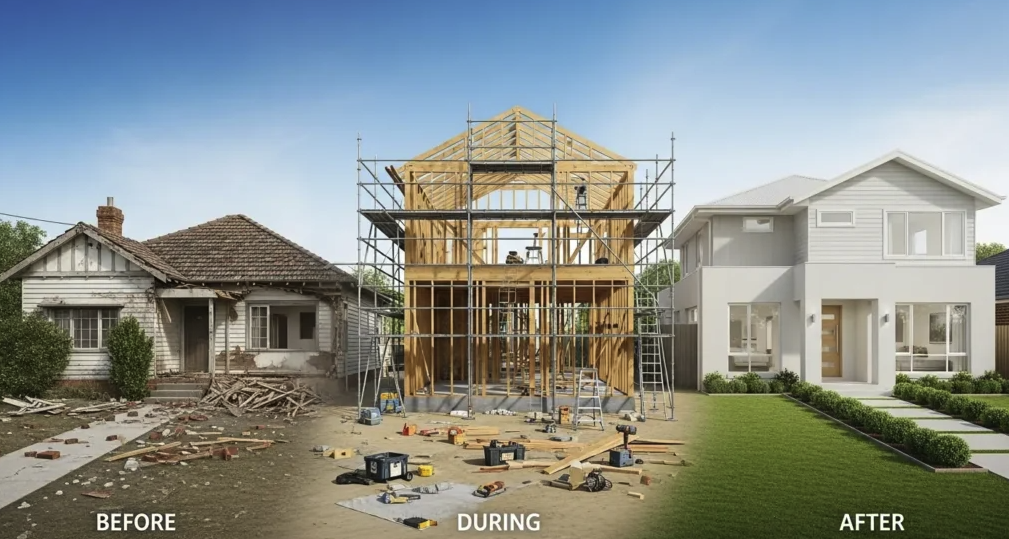
Knockdown rebuild projects are becoming increasingly popular across NSW as homeowners look to replace older houses with modern, energy-efficient homes. While the process can provide a fresh start on an existing block, many homeowners are surprised to learn that a knockdown rebuild is treated as a completely new dwelling under BASIX rules.
This means the project must meet the same BASIX requirements as any new home. A BASIX certificate is usually required before a Development Application or Complying Development Certificate can be approved. The certificate confirms the proposed home meets minimum standards for energy efficiency, water efficiency, and thermal comfort.
One of the most common approval traps for knockdown rebuilds is assuming the project will be assessed like a renovation. Because the original house was demolished, the replacement home must comply with current BASIX standards from the beginning.
Understanding how BASIX applies to knockdown rebuilds can help homeowners avoid unnecessary delays and ensure their project moves smoothly through the approval process.
Key Takeaways
Knockdown rebuild projects are treated as new homes under BASIX.
A BASIX certificate is typically required before DA or CDC approval.
Energy, water, and thermal comfort targets must all be met.
Solar systems are often used to help achieve BASIX energy targets.
Early planning helps avoid design changes during BASIX modelling.
Working with a BASIX consultant can streamline the approval process.
Summary Table
| Area | How BASIX Applies | Why It Matters |
| Project Type | Treated as a new dwelling | Full BASIX compliance required |
| Approval Path | DA or CDC | Certificate needed before approval |
| Energy Targets | Solar commonly included | Improves modelling outcomes |
| Thermal Comfort | Design driven | Influences glazing and insulation |
| Early Planning | Aligns design with BASIX | Reduces approval delays |
Why Knockdown Rebuilds Are Treated as New Homes Under BASIX
When a property undergoes a knockdown rebuild, the original dwelling is fully demolished and replaced with a new structure. Because the existing house no longer forms part of the development, planning authorities treat the project as the construction of a completely new home. Under NSW planning rules, this means the replacement dwelling must meet current BASIX requirements rather than those that applied to the previous house.
This distinction is important because some homeowners assume that rebuilding on the same block allows them to follow renovation-style rules. In reality, BASIX applies the same standards used for any new dwelling, including requirements for energy efficiency, water efficiency, and thermal comfort. These targets are assessed based on the design of the proposed home rather than the characteristics of the previous building.
For knockdown rebuild projects, the BASIX certificate becomes a key document in the approval process. It confirms the new design meets sustainability targets and aligns with the plans submitted for approval. Treating the project as a new build from the beginning helps ensure the design can achieve BASIX compliance without unexpected changes later.
When You Need a BASIX Certificate for a Knockdown Rebuild
For most knockdown rebuild projects in NSW, a BASIX certificate must be completed before a Development Application or Complying Development Certificate can be approved. The certificate forms part of the planning documentation submitted to the council or the certifier and confirms the proposed home meets the required sustainability targets.
Because the BASIX assessment is based on the design of the new dwelling, it is usually prepared once architectural plans are developed but before the approval application is lodged. This ensures the certificate aligns with the final design, including details such as glazing schedules, insulation specifications, and energy systems.
Submitting the BASIX certificate at the correct stage helps avoid delays in the approval process. If BASIX requirements are addressed too late, design changes may be needed to meet compliance targets, which can lead to reissues or revisions.
For homeowners planning a knockdown rebuild, addressing BASIX early allows the design team and BASIX consultant to work together. This coordinated approach helps ensure the proposed home meets requirements while keeping the approval process smooth and predictable.
Common BASIX Compliance Mistakes in Knockdown Rebuild Projects
One of the most common mistakes homeowners make during a knockdown rebuild is assuming the project will be assessed under renovation rules. Because the original dwelling is demolished, the replacement home must meet the full BASIX requirements for new construction. When this misunderstanding occurs, BASIX considerations are often introduced too late in the design process.
Another frequent issue is delaying energy system decisions, particularly solar installation. BASIX energy modelling often relies on renewable energy generation to meet targets, so leaving solar planning until after designs are finalised can create unnecessary complications.
Poor orientation and glazing decisions can also cause problems. If the layout of the new home does not take advantage of passive solar design principles, BASIX thermal targets may become harder to achieve. This can lead to additional modelling adjustments or design revisions.
These challenges usually arise when BASIX is treated as a final approval step rather than part of the design process. Addressing BASIX requirements early helps avoid these common traps and reduces the likelihood of costly redesigns.
Design Decisions That Help Knockdown Rebuilds Pass BASIX
Several design choices can make it significantly easier for knockdown rebuild projects to meet BASIX requirements. Orientation is one of the most influential factors. Designing living areas to benefit from favourable solar exposure can improve thermal comfort outcomes and reduce heating and cooling demand.
Glazing selection also plays an important role. Window size, placement, and performance influence how heat enters and leaves the building. Balancing natural light with thermal performance helps support both comfort and BASIX modelling results.
Energy systems are another key consideration. Solar panels are frequently included in knockdown rebuild designs because they provide a reliable way to improve BASIX energy performance. Efficient hot water systems and appliances can further strengthen the overall energy profile of the home.
When these design decisions are considered together, they create a balanced approach to BASIX compliance. Early coordination between the designer, builder, and BASIX consultant helps ensure the new home achieves sustainability targets without unnecessary design changes later in the approval process.
How BASIX Certificates Helps Homeowners Avoid Approval Delays
For homeowners undertaking a knockdown rebuild, BASIX compliance is a key step in securing planning approval. While the BASIX tool itself is publicly accessible, interpreting modelling results and aligning them with design plans can sometimes be complex. Engaging an experienced BASIX consultant helps ensure the assessment is prepared accurately and in line with the proposed home design.
BASIX Certificates works with homeowners, designers, and builders to prepare certificates that reflect the final architectural plans. By reviewing project details early, potential compliance issues can often be identified before they affect the approval timeline. This proactive approach helps minimise the risk of BASIX reissues or unexpected design adjustments.
For knockdown rebuild projects in particular, aligning BASIX modelling with the design from the beginning helps ensure the certificate integrates smoothly with the Development Application or Complying Development Certificate documentation. With clear guidance and accurate assessment, homeowners can move through the approval process with greater confidence and fewer delays.
Final Thoughts
Knockdown rebuild projects offer homeowners the opportunity to create a modern, energy-efficient home on an existing block. However, because the original dwelling is demolished, the replacement house must meet the same BASIX standards as any new home built in NSW.
Understanding how BASIX applies to knockdown rebuilds helps prevent common approval issues. Early planning, thoughtful design decisions, and coordination between the design team and BASIX consultant all play an important role in achieving compliance.
By addressing BASIX requirements early in the process, homeowners can avoid unnecessary redesigns and keep their approval timeline on track. With the right preparation, knockdown rebuild projects can meet BASIX targets while delivering comfortable, efficient homes designed for the future.
FAQs
Do knockdown rebuilds require a BASIX certificate in NSW?
Yes. Because the original dwelling is demolished and replaced with a new home, knockdown rebuild projects are treated as new dwellings under NSW planning rules. A BASIX certificate is typically required before the Development Application or Complying Development Certificate can be approved.
Is BASIX different for knockdown rebuild projects?
The BASIX requirements themselves are not different, but the project is assessed as a new dwelling rather than a renovation. This means the new home must meet current BASIX standards for energy efficiency, water efficiency, and thermal comfort.
When should I apply for BASIX during a knockdown rebuild?
BASIX is usually completed once architectural plans are prepared but before the planning application is lodged. This ensures the BASIX certificate aligns with the approved plans submitted to council or the certifier.
Can solar panels help a knockdown rebuild meet BASIX requirements?
Yes. Solar panels are commonly used to help meet BASIX energy targets by reducing reliance on grid electricity. Many new homes include solar systems as part of their BASIX energy solution.
Who prepares BASIX certificates for knockdown rebuild homes?
A BASIX consultant prepares the BASIX certificate using the NSW BASIX assessment tool. BASIX consultants work with the design team to ensure the proposed home meets compliance targets before approval is submitted.