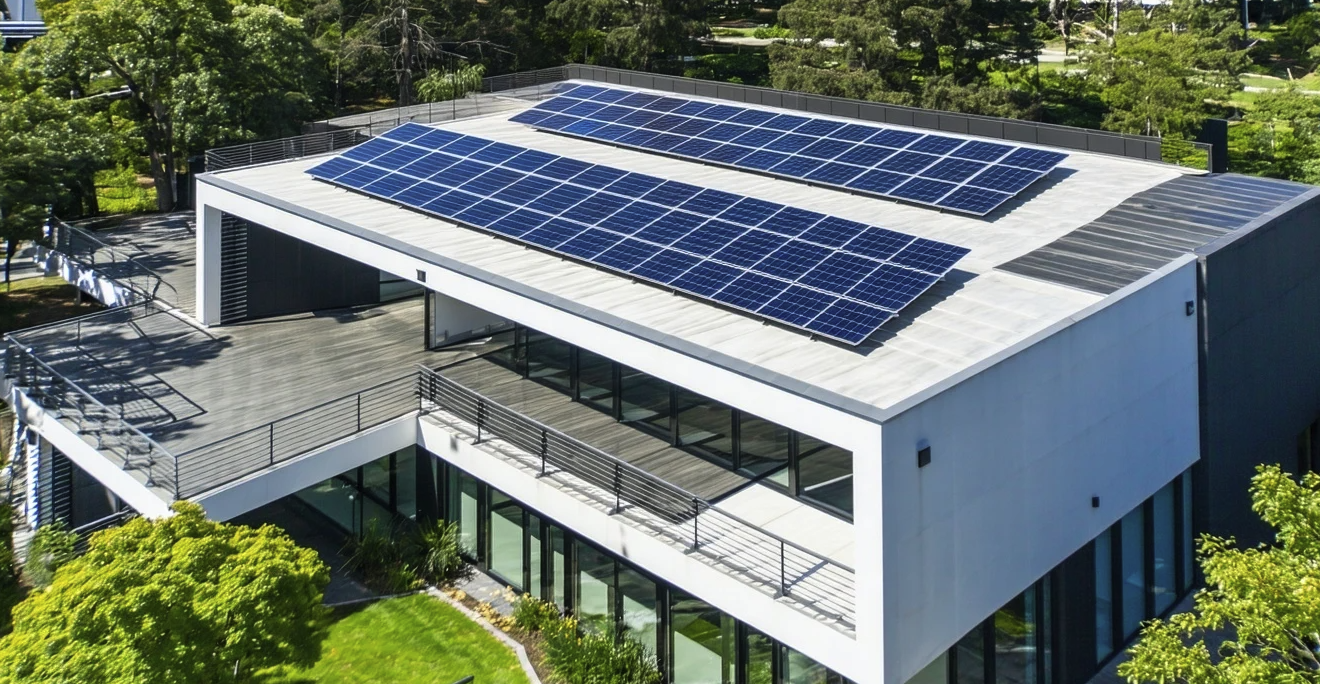
BASIX has traditionally been viewed as a compliance requirement in the NSW planning process, but that view is starting to shift. For developers and investors, BASIX is becoming more relevant as a strategic consideration that can influence design decisions, approval pathways, market appeal, and long term asset performance. As sustainability expectations continue to rise across the residential sector, BASIX is no longer just about getting a certificate lodged with an application. It is increasingly part of the broader conversation about how homes and residential projects will perform in the years ahead.
Looking ahead to 2027 and beyond, the key issue is not whether BASIX will remain important, but how its role may continue to evolve. NSW has already strengthened sustainability settings through the Sustainable Buildings framework, and the review cycle built into that policy suggests further refinements are possible over time. For developers and investors, this makes early planning, informed feasibility work, and strong sustainability coordination more valuable than ever. BASIX is likely to remain a key part of delivering projects that are compliant, commercially attractive, and better aligned with future market expectations.
Key Takeaways
-
BASIX is increasingly becoming a strategic planning factor, not just a compliance step in the approval process.
-
For developers and investors, future BASIX changes may affect feasibility, design choices, and long term project value.
-
NSW’s current sustainability framework already points to a more performance-focused approach to residential development.
-
The policy review cycle means 2027 is a realistic period to watch for further refinement or tightening of expectations.
-
Projects that consider BASIX early are generally better placed to manage risk, avoid redesign, and support smoother approvals.
-
Stronger sustainability performance may continue to influence buyer demand, tenant appeal, and long term asset positioning.
Summary Table
| Topic |
What It Means |
| BASIX today |
BASIX remains a core part of residential sustainability compliance in NSW. |
| Why the future matters |
Developers and investors need to think about how changing standards could affect project planning and returns. |
| 2027 relevance |
NSW’s review cycle makes the years around 2027 important for watching possible policy updates or refinements. |
| Development impact |
Future BASIX settings may influence design efficiency, material choices, and approval strategy. |
| Investor relevance |
Better-performing assets may become more attractive to buyers, tenants, and the wider market over time. |
| Best approach |
Early BASIX planning helps reduce risk and supports better project outcomes. |
How BASIX Has Evolved from a Compliance Tool to a Strategic Planning Factor
In the past, BASIX was often treated as a necessary approval document rather than something that shaped broader project thinking. For many applicants, the main goal was simply to meet the required sustainability targets and move the application forward. That approach is becoming less practical as expectations around residential performance continue to grow. BASIX now sits within a wider NSW sustainability framework that places greater emphasis on how homes actually perform, not just how they are documented at lodgement.
For developers, this changes the role BASIX plays in a project. It can influence early design assumptions, building specification, glazing strategy, ventilation, thermal performance, and overall coordination between consultants. For investors, it also changes how project quality may be judged over time. A development that responds well to sustainability expectations is more likely to feel aligned with where the market is heading, while a project that only does the minimum may face more pressure in future.
That is why BASIX is increasingly becoming a strategic planning factor. It affects more than compliance. It can shape design quality, risk management, approval efficiency, and long term project positioning in a more sustainability-conscious market.
Why 2027 Matters for Developers and Investors in NSW
The year 2027 matters because it sits within a realistic policy horizon for NSW sustainability reform. The Sustainable Buildings SEPP was reviewed in 2025, and NSW Planning indicates that the policy is intended to be reviewed every three years. That does not guarantee a major BASIX overhaul in 2027, but it does suggest that developers and investors should expect ongoing refinement rather than a static regulatory environment.
For developers, this means feasibility planning should not assume today’s settings will remain unchanged indefinitely. Design strategies, compliance assumptions, and consultant coordination may all need to become more forward-looking. For investors, it means the value of a residential asset may increasingly be tied to how well it aligns with future sustainability expectations, not just current approval minimums.
In practical terms, 2027 is less about one single rule change and more about direction. It represents a point where the market may continue moving toward stronger performance expectations, better environmental outcomes, and more scrutiny on how residential projects are designed. Developers and investors who prepare early are likely to be in a stronger position than those who wait for changes to become mandatory.
What Future BASIX Changes May Mean for Project Feasibility and Design
Future BASIX changes are likely to matter most where they affect feasibility at the front end of a project. If sustainability expectations continue to tighten over time, developers may need to allow for different glazing mixes, stronger thermal performance, better ventilation planning, and closer coordination across design disciplines. NSW’s Sustainable Buildings SEPP already positions BASIX within a broader sustainability framework, and the policy requires review after the beginning of 2025 and then at least every three years after that. That means developers should plan on the basis that standards may continue to evolve rather than remain fixed.
For investors, this has a practical implication. Feasibility is not only about construction cost. It is also about how efficiently a project can move through approval, how well the design responds to current and emerging standards, and whether the completed asset will feel dated too quickly. A project that only just meets the minimum may have less flexibility if expectations rise again in later years.
This is why BASIX planning is becoming more important during early concept and feasibility work. The more future-facing the design response is, the easier it may be to manage compliance risk, reduce redesign pressure, and protect value through the delivery process. That is where early BASIX advice can become commercially useful, not just procedurally necessary.
How Sustainability Expectations Are Shaping Buyer, Tenant, and Market Demand
Market expectations are shifting alongside regulation. BASIX was introduced to reduce the environmental impact of new residential buildings in NSW, but its practical effect reaches further than compliance alone. Buyers and tenants are increasingly alert to comfort, running costs, indoor conditions, and the overall quality of a home’s performance. As sustainability standards become more visible in the market, developers and investors may find that stronger BASIX outcomes help support the perceived quality and long term appeal of a project.
For developers, this means sustainability is becoming part of product positioning as well as project approval. Homes that are better designed for thermal comfort, energy efficiency, and healthier living conditions may be easier to market in a competitive environment. For investors, the same trend can influence tenant appeal, occupancy resilience, and how an asset is judged over time.
The key point is that BASIX is no longer only a technical planning requirement in the background. It is increasingly tied to what the market expects from modern residential development in NSW. Projects that respond well to these expectations are more likely to feel aligned with where buyer and tenant preferences are heading, especially as future reviews continue to refine the broader sustainability framework.
Why Early BASIX Planning Will Become More Important in Future Developments
As BASIX continues to sit within a broader sustainability framework, early planning is becoming more valuable for developers and investors. When BASIX is only considered late in the process, it can place pressure on design coordination, create avoidable revisions, and reduce flexibility around important project decisions. By contrast, bringing BASIX thinking into the project at the concept stage gives the team more room to respond strategically to thermal performance, glazing, ventilation, orientation, and other factors that may affect both compliance and buildability. BASIX is part of the NSW residential sustainability pathway, and that makes it more effective when it is considered alongside early design and feasibility work rather than after those decisions are largely locked in.
For developers, this early approach can support smoother approvals and reduce the risk of redesign later. For investors, it can improve confidence that the project is being shaped with both current requirements and future expectations in mind. This is especially relevant in a policy environment that is reviewed periodically and may continue to evolve over time.
In practical terms, early BASIX planning is no longer just about efficiency. It is increasingly about risk management, project quality, and protecting long term value. Projects that start with a clearer understanding of sustainability settings are often better positioned to adapt, perform, and remain competitive in the market.
Preparing for a More Performance-Driven Approval Environment
The direction of NSW policy suggests that residential approvals are increasingly tied to how a project is expected to perform, not simply whether it can meet a narrow minimum standard. The Sustainable Buildings framework brings together BASIX, embodied emissions reporting, and other sustainability measures, reflecting a broader shift toward better-performing homes and residential buildings. While the exact shape of future BASIX updates cannot be predicted with certainty, the overall direction points to more attention on outcomes such as efficiency, comfort, and long term environmental performance.
For developers, preparing for a more performance-driven environment means thinking beyond the certificate itself. It means looking at how the design responds to site conditions, how consultants are coordinated, and whether the project is likely to hold up well under future scrutiny. For investors, it means considering whether a residential asset is being developed in a way that aligns with where planning expectations and market standards are heading.
The practical takeaway is clear. BASIX should not be viewed as a last-step compliance item. It is increasingly part of the wider strategy that supports approval success, project resilience, and long term asset quality. Developers and investors who respond to that shift early are likely to be better prepared for 2027 and beyond.
Final Thoughts
BASIX is likely to remain a key part of residential development in NSW, but its role is continuing to grow. For developers and investors, the future of BASIX is not just about compliance. It is about understanding how sustainability expectations may influence design, approvals, market demand, and long term project value. With NSW’s sustainability framework subject to ongoing review, it makes sense to treat BASIX as an early planning consideration rather than a final administrative step.
Projects that respond well to this shift are more likely to be better coordinated, more resilient, and more aligned with where the market is heading. Looking toward 2027 and beyond, the strongest position will usually come from planning ahead, engaging the right advice early, and viewing BASIX as part of a broader strategy for delivering better-performing residential assets in NSW.
FAQs Answered
1. Will BASIX requirements become stricter after 2027?
It is reasonable to expect BASIX to keep evolving as NSW continues reviewing its sustainability framework, although the exact changes cannot be known in advance. For developers and investors, the key point is that BASIX is unlikely to remain static over the long term. Planning ahead now can make future adjustments easier to manage.
2. How could future BASIX changes affect development costs in NSW?
Future BASIX changes may influence costs through design choices, glazing, insulation, ventilation, and other building performance measures. That does not always mean higher costs in a simple sense, but it can affect feasibility, coordination, and specification decisions early in the project. A well-planned BASIX strategy can help reduce avoidable redesign and support a smoother approval process.
3. Why should property investors care about BASIX changes?
Property investors should care because BASIX can influence how well a residential asset aligns with future sustainability expectations, occupant comfort, and market demand. Homes and developments that respond well to changing standards may be better positioned for buyer appeal, tenant interest, and long term value. BASIX is becoming more relevant to asset quality, not just project approval.
4. When should developers engage a BASIX consultant?
Developers should ideally engage a BASIX consultant during the concept or early design stage. This gives the project team more flexibility to make practical decisions before layouts, specifications, and approval documents are too far advanced. Early advice often helps reduce risk and supports better coordination across the project.
5. Can better BASIX performance improve long term project value?
Better BASIX performance can support long term project value by contributing to stronger comfort outcomes, improved efficiency, and better alignment with market expectations. While value depends on many factors, sustainability performance is becoming a more important part of how residential assets are judged over time. Projects that plan for this early are often in a stronger position.
6. Will future BASIX rules affect apartments as well as houses?
BASIX already applies across a range of residential development types in NSW, including apartments as well as houses. As the broader sustainability framework continues to develop, developers and investors should expect future conversations around BASIX to remain relevant across different forms of residential construction.