
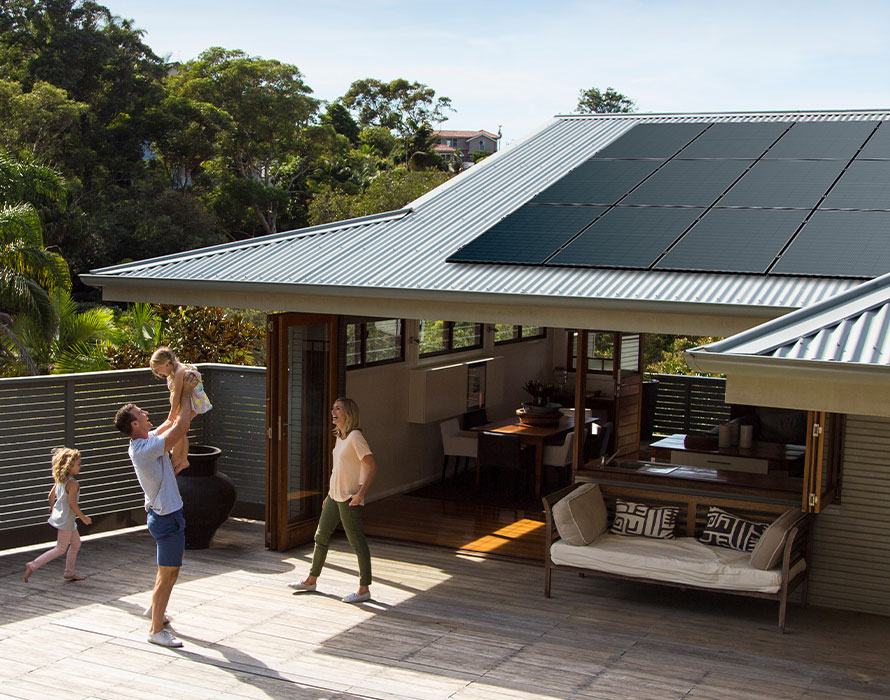
Energy efficiency sits at the core of the BASIX framework and plays a major role in how residential projects are assessed and approved in New South Wales. Through BASIX, the NSW Government aims to reduce household energy consumption, lower greenhouse gas emissions, and ensure new and renovated homes are comfortable to live in year-round. Every BASIX certificate measures how efficiently a home uses energy, from insulation and glazing through to heating, cooling, and hot water systems.
Understanding how BASIX assesses energy efficiency is essential for homeowners, builders, and designers preparing a Development Application. Poor energy modelling or incorrect system selections can result in failed assessments, reissues, or approval delays. This article explains how BASIX measures energy efficiency, which design and system choices impact your BASIX score, and how working with an experienced consultant helps you meet NSW sustainability targets without unnecessary complexity or cost.
Key Takeaways
- Energy efficiency is a core focus of every BASIX certificate in NSW.
- BASIX assesses how a home performs thermally and how much energy it uses.
- Building design, insulation, glazing, and orientation all affect BASIX energy scores.
- Heating, cooling, hot water, and lighting systems are key energy contributors.
- Renewable energy systems can help improve BASIX outcomes.
- Accurate modelling is essential to avoid failed assessments or reissues.
- BASIX Certificates helps homeowners meet energy efficiency targets efficiently and without over-designing their project.
Summary Table
| Energy Efficiency Area | How BASIX Assesses It | Why It Matters |
| Building Envelope | Insulation, glazing, shading | Reduces heating and cooling demand |
| Heating & Cooling | System type and efficiency | Lowers ongoing energy use |
| Hot Water Systems | Fuel source and efficiency | One of the largest energy loads |
| Lighting | Energy-efficient fittings | Improves overall BASIX score |
| Renewable Energy | Solar PV or solar hot water | Supports NSW sustainability targets |
Why Energy Efficiency Is Central to the BASIX Certificate
Energy efficiency is a central focus of the BASIX certificate because residential buildings account for a significant portion of household energy use across New South Wales. BASIX was introduced to reduce long-term energy consumption, lower greenhouse gas emissions, and ensure new and renovated homes are designed to perform efficiently from day one. Rather than relying solely on technology, BASIX encourages smarter design choices that reduce energy demand before mechanical systems are even considered.
By prioritising energy efficiency, BASIX helps create homes that require less heating and cooling, cost less to run, and provide better year-round comfort for occupants. This is achieved through minimum performance targets that apply to building design, materials, and systems.
Councils rely on BASIX to confirm that proposed developments contribute to the state’s sustainability goals and meet modern efficiency standards. Without meeting BASIX energy targets, a Development Application cannot proceed.
At BASIX Certificates, we help clients understand these requirements early and ensure their project meets energy efficiency targets without unnecessary upgrades or last-minute design changes.
How BASIX Measures Energy Efficiency in Residential Buildings
BASIX measures energy efficiency by modelling how a home is expected to perform once built, based on its design, materials, and systems. The BASIX tool calculates projected energy use for heating, cooling, hot water, lighting, and other key energy loads, then compares this against NSW sustainability targets.
A major part of this assessment is thermal performance modelling, which considers how heat moves through the building envelope. Factors such as insulation levels, glazing type, window size, shading, orientation, and roof materials all influence how much energy a home will require to stay comfortable. Homes with strong thermal performance generally require less mechanical heating and cooling, resulting in a better BASIX energy score.
BASIX also assesses the efficiency of energy systems installed in the home. High-efficiency heating, cooling, and hot water systems can significantly improve outcomes, while inefficient or outdated systems may cause the assessment to fail.
Because BASIX relies on precise data, even small inaccuracies can affect results. BASIX Certificates ensures all inputs are accurate so energy modelling reflects the true performance of the design.
Design Elements That Impact Your BASIX Energy Score
The design of a home plays a major role in determining its BASIX energy efficiency score. Long before heating or cooling systems are considered, BASIX assesses how well the building envelope minimises energy demand through smart design choices.
One of the biggest factors is insulation, including roof, wall, and ceiling insulation. Higher-performing insulation reduces heat transfer, helping homes stay warmer in winter and cooler in summer. Windows and glazing also have a significant impact. Larger window areas, poor glazing performance, or incorrect orientation can increase heat gain or loss, affecting overall energy performance.
Orientation and layout influence how much natural sunlight a home receives. Well-oriented living areas can benefit from passive solar heating, reducing reliance on mechanical systems. Shading elements, such as eaves, awnings, and pergolas, help control heat gain during warmer months.
Roof materials and colours also affect heat absorption, with lighter roofs generally improving thermal performance.
At BASIX Certificates, we review these design elements early and advise on practical adjustments that improve BASIX outcomes without compromising the overall design or adding unnecessary cost.
Energy Systems and Appliances Considered Under BASIX
In addition to building design, BASIX closely assesses the energy systems and appliances installed in a home. These systems often have a significant impact on whether a project meets energy efficiency targets, particularly in homes with higher heating or hot water demands.
Heating and cooling systems are a major focus. BASIX favours high-efficiency options such as inverter split systems and ducted systems with strong energy ratings, while less efficient systems may negatively affect the assessment. Hot water systems are another key consideration, as they account for a large portion of household energy use. Heat pump systems, solar hot water, and high-efficiency gas units typically perform better under BASIX than standard electric systems.
Lighting efficiency also plays a role, with energy-efficient fittings contributing to improved outcomes. In some cases, renewable energy systems, such as solar PV or solar hot water, can be used to help meet BASIX energy targets where design limitations exist.
At BASIX Certificates, we ensure all systems are correctly modelled and advise on compliant options that meet BASIX requirements without overcomplicating the build.
Final Thoughts
Energy efficiency is a critical part of meeting BASIX requirements and achieving smooth Development Application approval in NSW. From building design and insulation through to heating, cooling, and hot water systems, every element plays a role in how a home performs under BASIX assessment. Getting these details right early helps reduce energy use, improve comfort, and avoid costly delays caused by failed assessments or reissues.
By working with an experienced BASIX consultant, the process becomes far more straightforward. At BASIX Certificates, we ensure every energy efficiency detail is accurately modelled and aligned with your plans, helping your project meet NSW sustainability targets with confidence. With the right guidance, BASIX compliance can be efficient, predictable, and stress-free.
FAQs Answered:
1. How does BASIX assess energy efficiency in NSW homes?
BASIX assesses energy efficiency by modelling how a home is expected to perform once built. The BASIX tool calculates projected energy use for heating, cooling, hot water, lighting, and other key systems based on the home’s design, materials, and orientation. Thermal performance, insulation levels, glazing, and shading are all factored in. At BASIX Certificates, we ensure all inputs are accurate so the energy model reflects the true performance of the design and meets NSW requirements.
- What energy efficiency targets must a BASIX certificate meet in NSW?
Energy efficiency targets under BASIX are set by the NSW Government and vary depending on location, dwelling type, and climate zone. These targets aim to reduce household energy use and greenhouse gas emissions. Your design must demonstrate that it performs better than a baseline home through a combination of efficient design and systems. BASIX Certificates understands these targets in detail and helps ensure your project meets them without unnecessary upgrades or delays.
- Which building design features most affect BASIX energy performance?
Key design features that affect BASIX energy performance include insulation levels, window size and glazing type, orientation, shading, roof materials, and overall layout. Homes with strong thermal envelopes typically require less heating and cooling, which improves BASIX outcomes. Poor orientation or excessive glazing can negatively impact energy scores. At BASIX Certificates, we review these elements early and provide practical advice to improve performance while maintaining the intended design.
- Do heating and hot water systems impact BASIX energy scores?
Yes. Heating, cooling, and hot water systems are major contributors to household energy use and play a significant role in BASIX assessments. High-efficiency systems such as inverter air conditioners, heat pump hot water, or solar-assisted systems generally perform better under BASIX than standard electric systems. BASIX Certificates ensures your selected systems are correctly modelled and compliant, helping your project meet energy targets without overcomplicating system selection.
- Can solar or renewable energy systems improve BASIX compliance?
Yes. Renewable energy systems such as solar PV or solar hot water can help improve BASIX energy performance, particularly where design limitations make it harder to meet targets through building design alone. While renewables are not always mandatory, they can be an effective solution in some projects. BASIX Certificates assesses whether renewable systems are necessary and recommends them only when they provide clear compliance benefits.
- How can BASIX Certificates help me meet BASIX energy efficiency requirements?
BASIX Certificates provides end-to-end support for meeting BASIX energy efficiency requirements. We review your plans, accurately model energy performance, and identify any potential issues early. If improvements are needed, we recommend the most practical and cost-effective solutions. Our focus is on achieving compliance efficiently, avoiding failed assessments, and ensuring your BASIX certificate is ready for council submission without delays.