
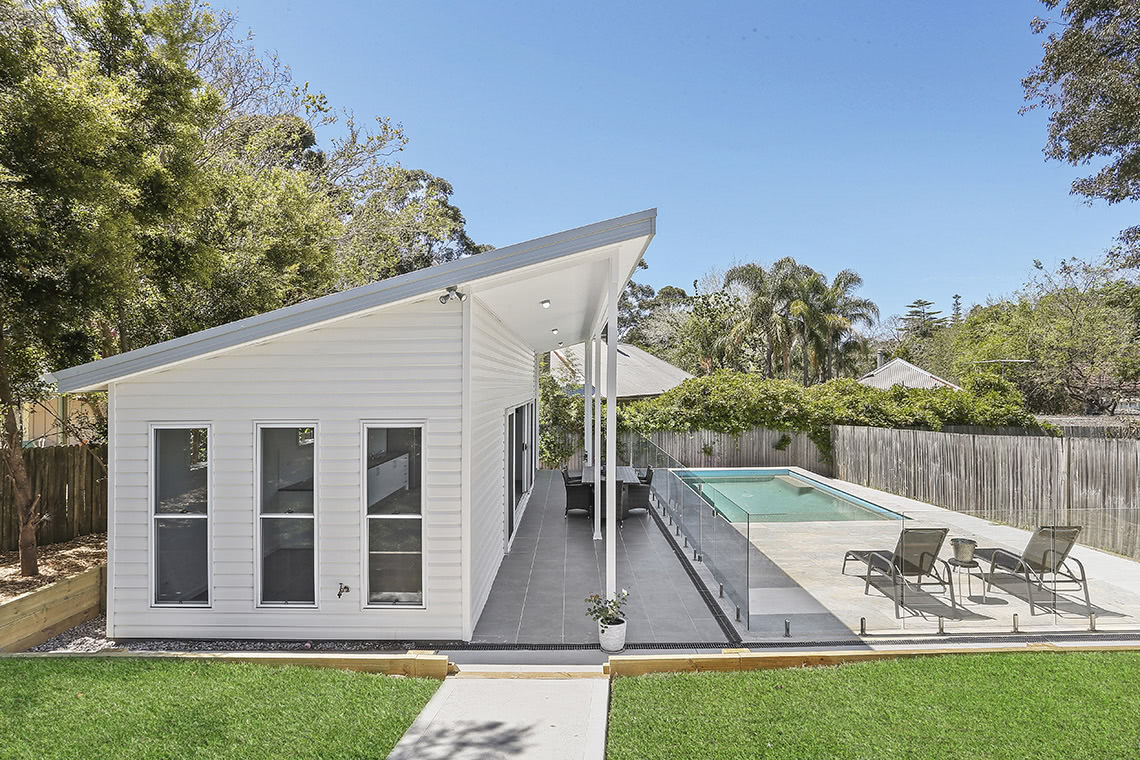
Building a granny flat or secondary dwelling in NSW comes with its own set of planning and approval requirements, and BASIX is an important part of that process. Whether you’re adding a granny flat for family, rental income, or future flexibility, understanding BASIX compliance early can help your project move smoothly through approval.
Most secondary dwellings in NSW require a BASIX certificate before approval can be granted, either under a Development Application or a Complying Development Certificate. BASIX focuses on ensuring new dwellings meet minimum standards for energy efficiency, water efficiency, and thermal comfort, even when the building is smaller in size.
Looking ahead to 2026, BASIX requirements are expected to continue evolving, with a strong focus on building performance and efficiency. For homeowners planning a granny flat, knowing how BASIX applies and what’s required helps avoid last-minute design changes, delays, or reissues during the approval process.
Key Takeaways
- BASIX usually applies to granny flats and secondary dwellings in NSW.
- A BASIX certificate is required before DA or CDC approval in most cases.
- Requirements cover energy efficiency, water efficiency, and thermal comfort.
- Compliance depends on the size, design, and services of the granny flat.
- Smaller dwellings still need to meet minimum BASIX targets.
- Planning BASIX early helps avoid approval delays and redesigns.
- Homeowners can seek guidance to ensure their granny flat meets BASIX requirements.
Summary Table
| Area | How BASIX Applies to Granny Flats | Why It Matters |
| Requirement | BASIX usually required | Needed for approval |
| Approval Path | DA or CDC | Determines timing |
| Energy | Design and systems assessed | Comfort and efficiency |
| Water | Fixtures and tanks considered | Sustainability targets |
| Thermal Comfort | Insulation and glazing | Year-round livability |
What Is a Secondary Dwelling or Granny Flat Under NSW Rules?
In NSW, a secondary dwelling, commonly referred to as a granny flat, is a self-contained residential building located on the same lot as a primary dwelling. It is designed to function as a separate living space and must include its own kitchen, bathroom, sleeping area, and living facilities. Granny flats are often built to accommodate family members, provide rental income, or offer flexible living arrangements.
Under NSW planning rules, a secondary dwelling is distinct from additions or extensions to an existing home. It is assessed as a separate dwelling, even though it shares the same lot. This distinction is important because it determines which planning controls apply and whether BASIX compliance is required.
Granny flats can be approved through either a Development Application or a Complying Development Certificate, depending on factors such as site conditions, zoning, and design. Because they are classified as new dwellings, most granny flats are subject to BASIX requirements to ensure they meet minimum standards for energy efficiency, water efficiency, and thermal comfort.
When a Granny Flat Needs a BASIX Certificate in NSW
In most cases, a granny flat or secondary dwelling in NSW will require a BASIX certificate as part of the approval process. Because a granny flat is classified as a new dwelling, BASIX compliance is typically mandatory before council or a certifier can issue approval.
A BASIX certificate is usually required whether the granny flat is approved under a Development Application or a Complying Development Certificate. Even when a project qualifies for a CDC, BASIX still applies and must be completed before the application can be lodged. The certificate must align with the approved plans and specifications for the granny flat.
There are very limited situations where BASIX may not apply, such as minor non-habitable structures. However, most self-contained granny flats that include kitchens, bathrooms, and sleeping areas will trigger BASIX requirements. Size alone does not remove the need for compliance, even for smaller secondary dwellings.
For homeowners, the key takeaway is timing. BASIX should be addressed early in the design stage so it does not delay approval. Engaging BASIX advice early helps ensure the granny flat design meets requirements from the outset.
What BASIX Assesses for Granny Flats
For granny flats and secondary dwellings, BASIX assesses the same three core areas as it does for larger homes: energy efficiency, water efficiency, and thermal comfort. While the dwelling is smaller in size, it is still expected to meet minimum performance standards to ensure it is comfortable to live in and efficient to operate.
Energy efficiency focuses on elements such as insulation, glazing, shading, and the efficiency of heating, cooling, and hot water systems. Well-designed granny flats that use passive design principles often find it easier to meet these targets.
Water efficiency considers fixtures and fittings, such as taps, toilets, and showers, as well as rainwater collection where applicable. These measures help reduce reliance on mains water, even in compact dwellings.
Thermal comfort looks at how the granny flat performs throughout the year, including how well it retains heat in winter and limits heat gain in summer. This is influenced by insulation, window placement, and construction materials.
Because BASIX assessments are based on the approved plans, accuracy is critical. Ensuring the design information is correct from the start helps avoid reissues or approval delays later in the process.
How BASIX Requirements May Affect Granny Flats in 2026
As NSW continues to strengthen its sustainability objectives, BASIX requirements for new dwellings, including granny flats, are expected to continue evolving into 2026. While no sudden changes are anticipated, there is an ongoing emphasis on improving building performance, particularly around energy efficiency and thermal comfort.
For homeowners planning a granny flat in 2026, this may mean greater attention to insulation levels, glazing performance, and system efficiency during the design stage. Passive design choices such as orientation, shading, and window placement are likely to play an increasingly important role in meeting BASIX targets without over-relying on mechanical systems.
Smaller dwellings can sometimes feel more constrained when it comes to compliance, which makes early planning especially important. Designs that are rushed or heavily value-engineered late in the process may struggle to meet updated benchmarks, leading to redesigns or BASIX reissues.
The key takeaway for homeowners is preparation. By considering BASIX requirements early and designing with efficiency in mind, granny flat projects entering 2026 can move through approvals more smoothly and avoid unnecessary delays or compliance issues.
Final Thoughts
Building a granny flat or secondary dwelling in NSW requires careful planning, and BASIX compliance is an essential part of the approval process. While granny flats are smaller than primary homes, they are still assessed as new dwellings and must meet minimum standards for energy efficiency, water efficiency, and thermal comfort.
Looking ahead to 2026, BASIX requirements are expected to continue evolving, making early planning even more important for homeowners. Understanding when BASIX applies, what it assesses, and how it fits into the approval pathway helps avoid last-minute design changes and unnecessary delays. With the right guidance and accurate documentation, BASIX compliance can be managed smoothly, allowing granny flat projects to progress confidently from approval through to construction.
FAQs Answered:
Do I need a BASIX certificate for a granny flat in NSW in 2026?
Yes. In most cases, a granny flat or secondary dwelling in NSW will require a BASIX certificate as part of the approval process, including in 2026. Because a granny flat is classified as a new dwelling, BASIX compliance is usually mandatory before approval can be issued. The certificate must demonstrate that the granny flat meets minimum standards for energy efficiency, water efficiency, and thermal comfort.
Does a granny flat approved under a CDC still need to comply with BASIX?
Yes. Even if your granny flat is approved under a Complying Development Certificate, BASIX requirements still apply. A BASIX certificate must be completed and lodged before the CDC can be issued. This is a common point of confusion for homeowners, but the approval pathway does not remove the need for BASIX compliance.
What size granny flat triggers BASIX requirements in NSW?
Most self-contained granny flats trigger BASIX requirements regardless of size. If the dwelling includes its own kitchen, bathroom, and living facilities, it is generally considered a new dwelling under NSW planning rules and will require BASIX compliance. Smaller size alone does not exempt a granny flat from needing a BASIX certificate.
How long does it take to get a BASIX certificate for a granny flat?
For most granny flat projects, a BASIX certificate can be prepared within 1 to 3 business days, provided the plans and information are complete and accurate. More complex designs or incomplete documentation can take longer. BASIX Certificates focuses on preparing accurate certificates efficiently to help homeowners avoid approval delays.
What information is needed to prepare a BASIX certificate for a secondary dwelling?
To prepare a BASIX certificate for a granny flat, information such as floor plans, elevations, window schedules, insulation details, and proposed systems for heating, cooling, and hot water are required. Accurate documentation is essential, as the BASIX certificate must align with the approved plans to avoid reissues or delays.
Who can prepare a BASIX certificate for a granny flat in NSW?
While the BASIX tool is publicly accessible, most homeowners choose to engage a BASIX consultant to ensure the assessment is completed accurately and efficiently. BASIX Certificates specialises in preparing BASIX certificates for granny flats and secondary dwellings, helping homeowners navigate compliance with confidence and avoid common pitfalls.