
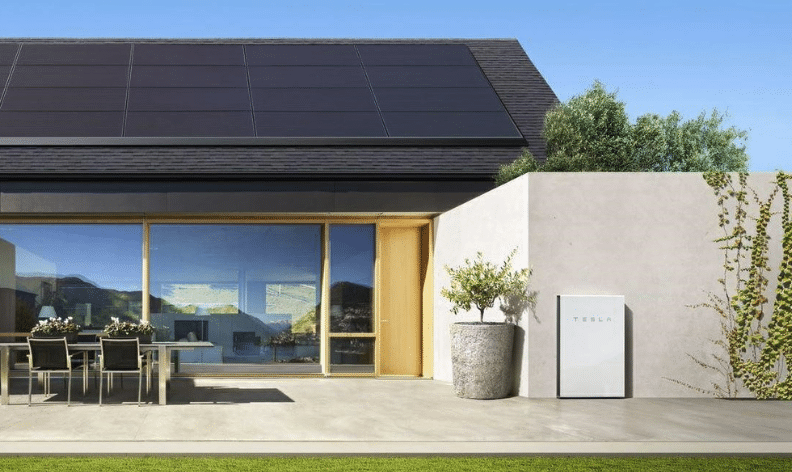
As BASIX energy targets continue to evolve, renewable energy systems have become one of the most effective ways for homeowners to achieve compliance. Solar panels are now a common feature in new homes across NSW because they directly reduce grid electricity demand and improve a project’s BASIX energy performance.
Battery storage is also gaining attention as homeowners look for ways to maximise the value of their solar generation. While batteries are not always required to meet BASIX energy targets, they can strengthen energy modelling results and provide additional flexibility when designing compliant homes.
For homeowners planning a new build or major renovation, understanding how solar and battery systems influence BASIX assessments can make the approval process significantly smoother. System size, placement, and integration with other energy-efficient systems all play a role in how well a project performs during modelling.
By planning renewable energy solutions early, homeowners can avoid costly design changes and ensure their project meets BASIX energy requirements with confidence.
Key Takeaways
- Solar panels are one of the most effective ways to improve BASIX energy performance.
- Roof orientation and system size influence BASIX modelling outcomes.
- Battery storage can help maximise solar energy usage within the home.
- Renewable energy reduces reliance on grid electricity.
- Efficient hot water systems and appliances complement solar performance
- Planning solar solutions early helps avoid BASIX reissues and approval delays.
Summary Table
| Energy System | Impact on BASIX Energy Score | Key Considerations |
| Solar Panels | Significant reduction in grid energy use | Roof orientation and system size |
| Battery Storage | Stores excess solar energy | System compatibility |
| Hot Water Systems | Strong influence on BASIX modelling | Heat pump or solar hot water |
| Efficient Appliances | Supports overall energy performance | Energy rating selection |
| Early Planning | Improves compliance outcomes | Align design with BASIX assessment |
Why Solar Power Plays a Major Role in BASIX Energy Targets
Solar power has become one of the most common solutions used to meet BASIX energy requirements in NSW. Because BASIX assesses the expected energy performance of a home, reducing reliance on grid electricity is a key factor in achieving a compliant result. Solar panels directly offset household energy demand by generating electricity on-site, which improves the overall BASIX energy score during modelling.
For many new homes, including solar panels is often the most straightforward way to meet energy targets without significantly changing the building design. While passive design elements such as orientation and insulation still play an important role, solar generation provides a measurable and reliable reduction in grid energy use.
BASIX modelling takes the capacity of the solar system into account when calculating energy performance. Larger systems generally provide greater benefits, although the optimal size will depend on roof space, orientation, and the energy demands of the home.
For homeowners, solar power offers a dual benefit. It supports BASIX compliance during the approval process and can also help reduce long-term electricity costs once the home is built.
How Solar Panel Size and Placement Affect BASIX Results
The size and placement of a solar system can significantly influence BASIX energy modelling outcomes. While simply installing solar panels can improve energy performance, the effectiveness of the system depends largely on how well it is positioned and sized for the home.
Roof orientation is one of the most important factors. In NSW, north-facing roof areas generally provide the best solar generation potential throughout the year. East and west orientations can still perform well, but output may vary depending on shading and seasonal sun angles. Ensuring sufficient unshaded roof space is therefore important when planning solar installation.
System size also plays a role in BASIX calculations. Larger solar systems typically produce more electricity, which helps offset grid energy use in the modelling. However, the optimal system size should still align with the roof layout and the expected energy usage of the home.
By considering solar placement and system capacity early in the design stage, homeowners can ensure the system contributes effectively to BASIX energy compliance while also delivering strong real-world performance once the home is occupied.
The Role of Battery Storage in BASIX Energy Performance
Battery storage is becoming an increasingly popular addition to residential solar systems, particularly for homeowners who want to maximise the value of the energy their solar panels generate. While batteries are not always required to meet BASIX energy targets, they can improve how efficiently solar energy is used within the home.
During the day, solar panels often produce more electricity than the home immediately needs. Without battery storage, this excess energy is typically exported back to the grid. A battery system allows homeowners to store that energy and use it later, such as during the evening when solar generation has stopped but electricity demand is still high.
From a BASIX perspective, batteries can strengthen overall energy performance by increasing the amount of renewable energy used within the home rather than relying on grid electricity. In some projects, battery storage can also provide additional flexibility when balancing other energy systems during modelling.
For homeowners looking to future-proof their property, battery systems can complement solar panels by improving energy independence while supporting stronger BASIX energy outcomes.
Other Energy Systems That Influence BASIX Scores
While solar panels and battery storage are often the most visible energy features in BASIX assessments, other household systems also play an important role in determining overall energy performance. BASIX modelling considers how different appliances and building systems contribute to energy use throughout the home.
Hot water systems are one of the most influential components. Traditional electric systems generally perform poorly in BASIX modelling compared with more efficient options such as heat pump or solar hot water systems. Choosing a higher-efficiency hot water system can significantly improve a project’s energy score.
Lighting and appliance efficiency also contribute to overall performance. Energy-efficient lighting, such as LED systems, and appliances with strong energy ratings help reduce the predicted energy consumption of the home.
When these systems are considered together with solar generation, they create a more balanced and efficient energy profile. By selecting efficient household systems early in the design stage, homeowners can improve BASIX modelling results and reduce the likelihood of needing larger solar systems or additional upgrades later in the approval process.
Planning Solar and Battery Systems Early in Your BASIX Assessment
One of the most effective ways to achieve strong BASIX energy results is to consider solar and battery systems early in the planning stage. Waiting until the design is finalised can limit available options and sometimes require last-minute changes to meet energy targets.
During BASIX modelling, the performance of solar panels, battery systems, and household energy systems are assessed together. When these elements are planned early, it becomes easier to balance the overall energy profile of the home. Roof orientation, available installation space, and system sizing can all be aligned with the BASIX assessment from the beginning.
Early planning also helps avoid situations where a project narrowly misses BASIX energy targets and requires adjustments such as larger solar systems or upgraded appliances. Integrating renewable energy solutions into the design stage allows homeowners, designers, and BASIX consultants to work together to achieve compliance in a more efficient way.
For homeowners building or renovating in NSW, taking a coordinated approach to solar and battery planning helps ensure the BASIX certificate aligns with the approved plans and supports a smoother approval process.
Final Thoughts
Solar panels have become one of the most reliable ways to achieve strong BASIX energy outcomes for new homes and major renovations in NSW. By generating renewable electricity on-site, solar systems help reduce reliance on grid energy and improve overall energy performance during BASIX modelling.
Battery storage can further enhance these results by allowing homes to store excess solar energy and use it when needed. While not always required for compliance, batteries provide additional flexibility when designing energy-efficient homes.
For homeowners, the key to maximising BASIX energy scores is early planning. Considering solar systems, battery storage, and efficient household systems during the design stage makes it easier to achieve compliance without costly redesigns or approval delays.
With the right planning and guidance, renewable energy solutions can help homeowners meet BASIX requirements while creating homes that are efficient, comfortable, and prepared for the future.
FAQs
Do solar panels help meet BASIX energy requirements in NSW?
Yes. Solar panels are one of the most effective ways to improve BASIX energy performance. By generating electricity on-site, solar systems reduce reliance on grid energy, which improves the energy modelling results used to determine BASIX compliance.
Does BASIX require solar panels for new homes?
Solar panels are not always mandatory, but many projects include them because they provide a practical way to meet BASIX energy targets. In some cases, solar systems may be the most efficient solution to achieve compliance.
Can battery storage improve my BASIX energy score?
Battery storage can improve overall energy performance by allowing homes to store and use solar energy instead of relying on grid electricity. While batteries are not always required for BASIX compliance, they can strengthen energy modelling outcomes in certain projects.
What size solar system is needed for BASIX compliance?
The required system size varies depending on the home’s design, energy systems, and BASIX modelling results. Factors such as roof orientation, appliance efficiency, and hot water systems can all influence the size of the solar system required.
Who can help determine solar requirements for BASIX?
A BASIX consultant can assess the design of a home and determine the most effective way to meet BASIX energy targets. They can advise on solar system sizing, energy systems, and other design factors to help ensure the project achieves compliance.