
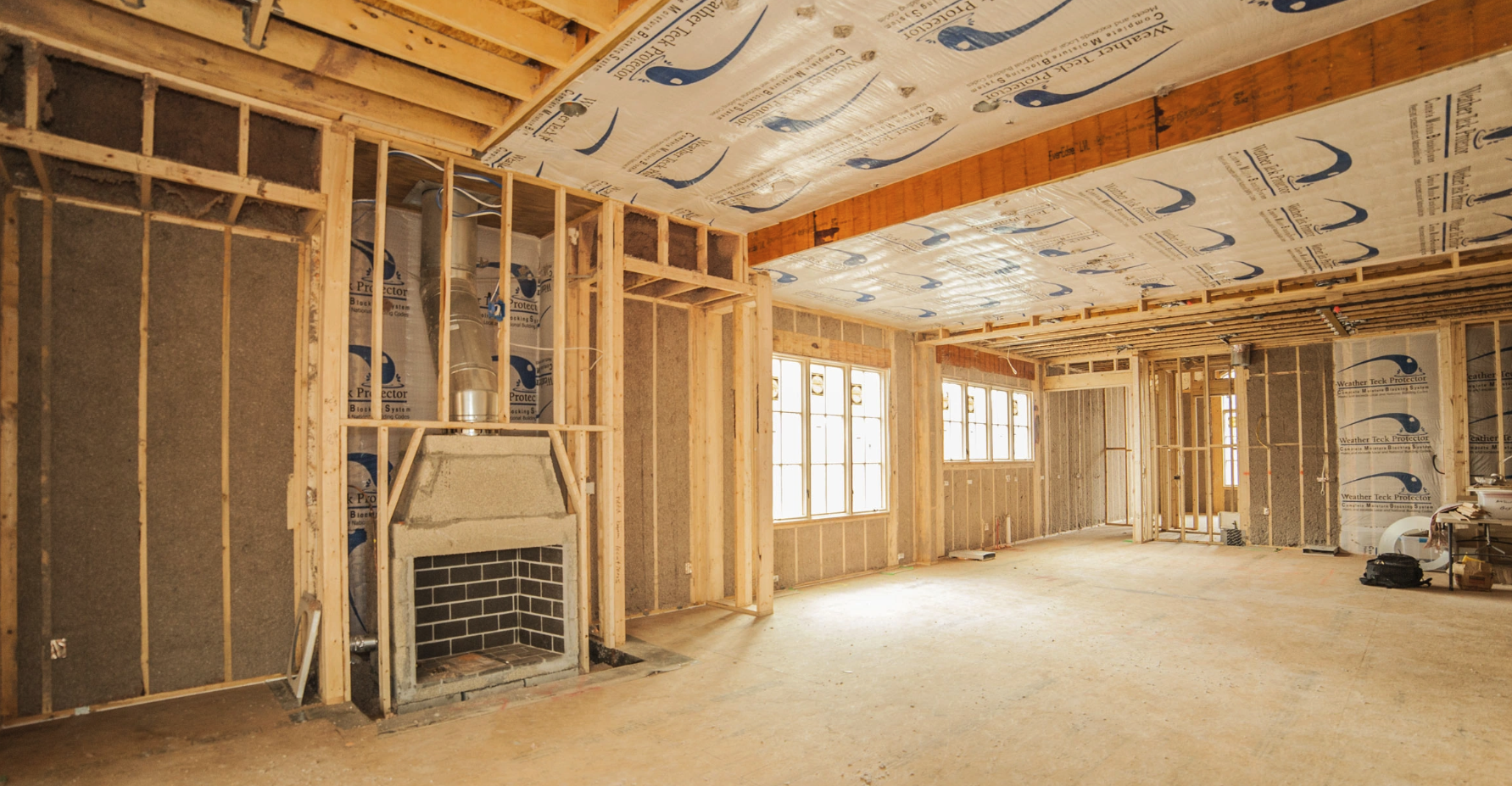
As BASIX standards continue to evolve, builders across New South Wales are seeing increased emphasis on building envelope performance. Two areas receiving greater attention are insulation quality and thermal bridging. These factors play a significant role in how a home retains heat in winter and stays cool during summer, directly influencing BASIX thermal comfort targets.
Thermal bridging occurs when heat transfers through structural elements such as steel, timber framing, or concrete that interrupt insulation layers. Even well-insulated walls can lose performance if thermal bridges allow heat to bypass insulation materials. As BASIX modelling becomes more detailed, addressing these gaps in the building envelope is becoming increasingly important for achieving compliance.
For builders and designers working on new homes and major developments, understanding thermal bridging and insulation strategies early in the design stage can help prevent costly redesigns during BASIX assessment.
With thoughtful planning and coordination with a BASIX consultant, builders can ensure their projects meet current thermal performance expectations while maintaining practical construction methods.
Key Takeaway
- Thermal bridging reduces the effectiveness of insulation in a building envelope.
- BASIX thermal comfort targets rely on accurate modelling of insulation performance.
- Structural elements such as steel and concrete can create thermal bridges.
- Good design and construction practices can minimise heat transfer through these elements.
- Early BASIX consultation helps builders avoid compliance issues later in the approval process.
- Improving insulation and reducing thermal bridging can also enhance long term energy efficiency.
Summary Table
| Factor | Impact on BASIX | Builder Consideration |
| Thermal Bridging | Allows heat to bypass insulation | Manage framing and junction details |
| Insulation | Supports BASIX thermal targets | Correct specification and installation |
| Building Envelope | Influences heating and cooling loads | Design and construction coordination |
| Glazing Performance | Affects thermal comfort modelling | Window selection and placement |
| Early BASIX Review | Reduces redesign risk | Align design with BASIX modelling |
What Thermal Bridging Means in Residential Construction
Thermal bridging occurs when heat moves through parts of a building structure that are more conductive than the surrounding insulation. In residential construction, this often happens where structural elements such as timber framing, steel beams, or concrete slabs interrupt the insulation layer.
Even when a home has high-quality insulation installed, these structural components can allow heat to transfer through the building envelope. During winter this can allow warmth to escape from inside the home, while in summer it can allow external heat to enter. The result is reduced thermal efficiency and increased reliance on heating or cooling systems.
For BASIX assessments, thermal bridging affects how the building performs in thermal comfort modelling. If heat loss or gain occurs through these structural pathways, the home may struggle to meet the required performance targets. This is why careful detailing of insulation and structural junctions is becoming more important for new builds across NSW.
Builders who understand where thermal bridges occur can take practical steps to reduce their impact and improve the overall thermal performance of the home.
Why BASIX Thermal Comfort Targets Are Becoming Harder to Meet
Over time, BASIX standards have evolved to improve the energy efficiency and comfort of homes built in New South Wales. As modelling tools and sustainability targets become more advanced, the performance of the building envelope plays a greater role in meeting compliance requirements.
Thermal comfort modelling evaluates how well a home maintains comfortable internal temperatures throughout the year without excessive reliance on mechanical heating or cooling. Factors such as insulation levels, glazing performance, orientation, and air leakage all influence the outcome.
Because these elements work together, weaknesses in one area can affect the entire thermal performance result. Thermal bridging is one of the areas that can reduce the effectiveness of otherwise well-designed insulation systems.
For builders and designers, this means greater attention is required when specifying insulation materials and detailing construction methods. Addressing thermal performance early in the design stage makes it easier to achieve BASIX targets without needing significant adjustments later in the approval process.
Where Thermal Bridging Commonly Occurs in Homes
Thermal bridging can occur in several areas of residential construction where structural elements interrupt the insulation layer. These locations are often unavoidable parts of the building structure, but understanding where they occur allows builders to manage their impact.
Wall framing is one of the most common sources of thermal bridging. Timber or steel studs run through insulated wall cavities and can allow heat to transfer through the wall system. While this is a normal part of construction, the proportion of framing relative to insulation can influence overall thermal performance.
Floor and slab junctions are another area where thermal bridges may occur. Concrete slabs, especially where they connect to external walls or balconies, can transfer heat more easily than insulated wall systems. Without appropriate detailing, this can reduce the effectiveness of the building envelope.
Roof connections and window frames can also contribute to thermal bridging. Junctions where walls meet the roof structure or where glazing systems are installed may interrupt insulation continuity if not carefully designed.
Recognising these locations during design and construction allows builders to make adjustments that improve thermal performance without complicating the build process.
Insulation Strategies That Improve BASIX Performance
Effective insulation remains one of the most reliable ways to improve BASIX thermal comfort outcomes. When insulation is properly specified and installed, it helps stabilise indoor temperatures and reduce heat transfer through the building envelope.
Wall insulation is particularly important, as walls represent a large surface area of the home. Using insulation products that achieve appropriate R-values helps ensure the building performs well in BASIX thermal modelling.
Roof and ceiling insulation also play a major role. Because heat rises, roof spaces are a common pathway for heat loss in winter and heat gain in summer. Adequate insulation in the ceiling space helps reduce this effect and improves year-round comfort.
Insulation continuity is equally important. Gaps, compression, or poorly fitted insulation can significantly reduce performance. Ensuring insulation is installed correctly around services, framing, and junctions helps maintain the intended thermal barrier.
When insulation strategies are considered alongside building orientation, glazing, and shading, the combined effect can make it much easier for a project to meet BASIX requirements.
How Builders Can Reduce Thermal Bridging During Construction
Reducing thermal bridging does not require complicated construction methods, but it does require careful attention to detailing. Small improvements in how insulation and structural elements interact can significantly improve the thermal performance of a home.
One effective strategy is maintaining insulation continuity wherever possible. This means ensuring insulation layers remain consistent across walls, ceilings, and junction points rather than stopping at structural breaks. Even minor gaps can create pathways for heat transfer.
Thermal break materials can also be used in certain situations. These materials sit between structural elements and external surfaces, helping reduce heat flow through the building structure. They are commonly used in steel framing systems, balconies, and cladding connections.
Window and door installation is another area where builders can improve thermal performance. Ensuring proper sealing around frames and aligning insulation with glazing systems helps prevent thermal weak points around openings.
Ultimately, thermal bridging control comes down to good construction practices. When builders coordinate closely with designers and BASIX consultants, thermal performance can be improved without making construction unnecessarily complex.
How BASIX Certificates Support Builders with Thermal Compliance
Builders working on new homes in NSW often need to ensure their projects meet BASIX thermal comfort targets before approval can proceed. Because the BASIX assessment evaluates multiple aspects of building performance, early coordination can help prevent unexpected compliance challenges.
BASIX Certificates works with builders, designers, and homeowners to prepare accurate BASIX assessments that reflect the proposed construction details. By reviewing plans and specifications early, potential thermal performance issues can often be identified before they affect project approvals.
This approach helps ensure insulation levels, glazing performance, and building orientation align with BASIX modelling requirements. Addressing these factors early can reduce the need for redesigns or adjustments during the approval process.
For builders managing tight construction schedules, having BASIX assessments prepared correctly from the start helps keep projects moving forward while maintaining compliance with NSW sustainability standards.
Final Thoughts
Thermal bridging and insulation performance are becoming increasingly important as BASIX standards continue to focus on improving building efficiency across New South Wales. While insulation has always been a key part of residential construction, understanding how heat moves through structural elements is now equally important for achieving BASIX thermal comfort targets.
For builders, this means taking a more holistic view of the building envelope. Details such as wall framing, slab connections, window installation, and insulation continuity can all influence the overall thermal performance of a home. Small improvements in these areas can make a significant difference when BASIX modelling is completed.
By considering thermal bridging during both the design and construction stages, builders can improve compliance outcomes while delivering homes that are more comfortable and energy efficient for occupants.
Working with experienced BASIX consultants ensures these performance factors are addressed early, helping builders meet sustainability requirements while keeping projects on schedule.
FAQs
What is thermal bridging in building construction in NSW?
Thermal bridging occurs when heat passes through structural materials such as timber, steel, or concrete that interrupt insulation layers. In residential buildings this can reduce the effectiveness of insulation and impact thermal comfort performance assessed through BASIX modelling.
How does thermal bridging affect BASIX compliance?
Thermal bridging can reduce the overall thermal performance of the building envelope. If heat transfers too easily through structural elements, BASIX modelling may show the home failing to meet thermal comfort targets.
Where does thermal bridging usually occur in homes?
Common locations include wall framing, slab edges, balconies, roof junctions, and around window or door frames. These areas can allow heat to bypass insulation if not detailed carefully during design and construction.
What insulation strategies help meet BASIX thermal targets?
Using appropriate R-value insulation in walls and ceilings, maintaining insulation continuity, and ensuring proper installation around structural elements all help improve BASIX thermal performance.
Can builders reduce thermal bridging during construction?
Yes. Builders can reduce thermal bridging by maintaining continuous insulation layers, using thermal break materials where appropriate, and ensuring proper sealing around windows, doors, and structural junctions.